Natural beauty for your favorite space

Top Environmentally Friendly Building Materials for Buyers

Choosing the Most Environmentally Friendly Building Materials requires more than selecting products labeled “green.” A material’s real impact begins with extraction and continues through manufacturing, transport, installation, maintenance, and disposal. The 2023 Global Status Report for Buildings and Construction, published by the United Nations Environment Programme and GlobalABC, reported that buildings and construction produced 37% of global energy and process-related carbon dioxide emissions in 2022. The sector also consumed more than 34% of global energy. Those figures make material choices impossible to ignore.

This guide examines recycled steel, responsibly sourced timber, bamboo, low-carbon concrete, reclaimed brick, cellulose insulation, and other practical options. It considers embodied carbon, durability, indoor air quality, water use, local availability, and verified Environmental Product Declarations. A product with recycled content may still carry a heavy transport footprint. A natural material may require chemical treatment or frequent replacement. No material is perfectly green. That is the uncomfortable part.

Architect and Cradle to Cradle co-author William McDonough offers a useful principle: “Waste equals food.” His idea encourages designers to view construction products as future resources, not permanent landfill. However, good intentions need measurement. Buyers should request third-party certifications, compare life-cycle data, and ask how materials perform in actual buildings. This article provides that practical framework, while acknowledging a limitation: environmental data can vary by supplier, region, and project design. The best choice is rarely universal. It is usually the material that performs well, lasts long, and creates the least verified harm in its specific location.
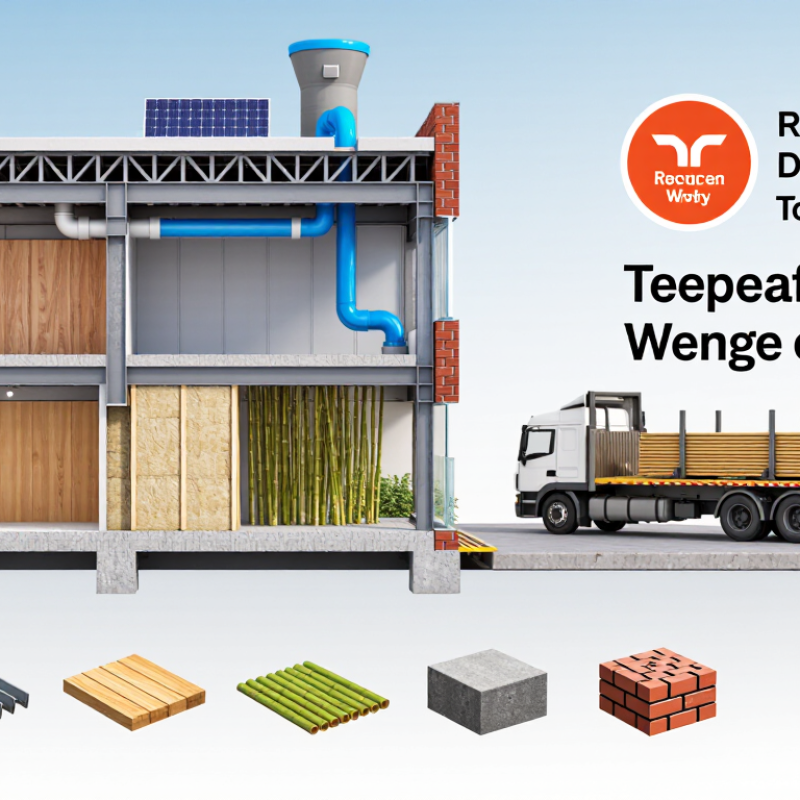
Top Environmentally Friendly Building Materials for Buyers

What Makes a Building Material Environmentally Friendly

An environmentally friendly building material is not simply one labeled natural or recycled. Its full life cycle matters. Buyers should examine extraction, manufacturing, transport, installation, use, and disposal. A material with recycled content may still carry high emissions if shipped across oceans. That detail is easy to miss.

Durability is a practical environmental feature. A wall panel that lasts 50 years can prevent repeated replacement, waste, and labor. Low-toxicity ingredients also matter indoors, especially in bedrooms and schools. Look for clear technical data, third-party testing, and an Environmental Product Declaration when available. These documents do not make a product perfect. They make comparisons more honest. Ask how the material performs in local humidity, heat, fire conditions, and cleaning routines. A beautiful option that warps after one wet season is not sustainable.

Responsible sourcing adds another layer. Wood should come from verifiable, well-managed forests, while mineral products should disclose quarry impacts and worker protections. Reuse potential matters too. Can the component be repaired, separated, or recycled after demolition? On actual sites, careful sizing often reduces offcuts more effectively than a “green” label. I still find trade-offs. The lowest-carbon choice may cost more upfront or require skilled installers. Buyers should record these limits instead of hiding them. That honesty supports better decisions.

Recycled and Reclaimed Materials for Sustainable Construction

Recycled and Reclaimed Materials for Sustainable Construction

Reclaimed timber can give a new building visible history and lower demand for newly harvested wood. I have seen old beams cleaned, checked for insects, and reused as ceiling joists. Their nail holes and uneven edges add character, but they also require careful structural assessment. Reclaimed bricks work well for interior walls, garden paths, and selected facades. Each batch may vary in color, size, and strength. That variation can challenge precise designs.

Recycled Materials in Construction

Recycled steel is another strong option for sustainable construction. It can be reused in frames, stairs, and roofing systems when engineers verify its condition. Recycled glass may become countertops, tiles, or insulation with reflective surfaces. Crushed concrete can serve as road base or aggregate in new concrete mixes. These materials reduce landfill waste, yet transport distances and processing energy still matter. A recycled product is not automatically the greener choice.

Ask suppliers for material records, testing results, and clear information about previous use. Salvaged wood from an unknown source may contain old coatings or hidden damage. The same concern applies to reused pipes, insulation, and painted surfaces. Careful inspection protects occupants and prevents expensive repairs. I once underestimated sorting time on a small renovation. The savings became smaller than expected. That lesson remains useful: measure waste, labor, transport, and durability before choosing reclaimed materials.

Renewable Materials with Low Environmental Impact

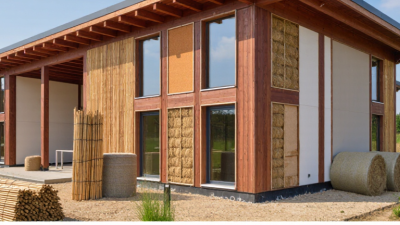
Renewable building materials can reduce environmental pressure when sourcing, manufacturing, and disposal are assessed together. UNEP and the GlobalABC reported in 2022 that buildings used 34% of global energy. They also linked the sector to about 37% of energy and process-related CO2 emissions. This scale makes material choices important. Rapidly renewable options include certified timber, bamboo, straw panels, cork, and agricultural-fiber boards. These materials may store biogenic carbon during use, but only when forests regenerate and products remain durable. The accounting is not simple.

In practical projects, cork flooring feels warm, while timber framing reduces heavy mineral use. Straw panels can improve wall insulation when protected from persistent moisture. Environmental Product Declarations can show manufacturing emissions, transport distance, recycled content, and disposal assumptions. The International Energy Agency’s 2023 buildings analysis identifies material efficiency as an important emissions-reduction pathway. Buyers should compare whole-life impacts, not trust “natural” claims alone. A local material may still carry a high footprint if heavily processed. That mistake is common.

Tips: Request third-party life-cycle data. Ask about moisture resistance, fire performance, repairability, and safe removal. Prefer durable products with reversible connections. Check the harvest region and renewal claims. Keep product declarations for future renovation decisions. Some data remain incomplete, so record assumptions and review them honestly.

Energy-Efficient Materials for Buildings and Homes

Top Environmentally Friendly Building Materials for Buyers

Energy-Efficient Materials for Buildings and Homes

Energy-efficient materials reduce heating, cooling, and lighting demand over many years. The International Energy Agency reports that buildings consume about 30% of global final energy. They also produce roughly 26% of energy-related emissions. These figures make insulation and airtight construction practical priorities, not decorative upgrades.

High-quality mineral wool, cellulose, and rigid insulation can slow heat movement through walls and roofs. Low-emissivity glazing limits winter heat loss while reducing summer solar gain. Exterior shading helps further. The U.S. Department of Energy identifies air sealing and insulation as key measures for improving residential energy performance. Small gaps around windows can still undermine expensive materials. That detail is often missed.

Cool-roof coatings and reflective membranes can lower roof temperatures in hot climates. Phase-change materials may store heat and reduce indoor temperature swings. Their real performance depends on climate, installation, moisture control, and building use. The 2023 Global Status Report for Buildings and Construction links better efficiency with lower energy demand across the sector. However, embodied energy still matters. A product may perform well during use but require intensive manufacturing. Buyers should request verified environmental declarations, thermal conductivity data, service-life information, and installation guidance. I would also compare measured results, because laboratory ratings rarely capture every household’s behavior.

How Buyers Can Compare Sustainable Building Materials

Buyers comparing sustainable building materials should examine evidence, not attractive environmental language. Start with an Environmental Product Declaration, recycled content data, and the material’s expected service life. These documents reveal impacts that a green label may hide. Look past the label.

Embodied carbon matters, but performance matters too. A low-carbon insulation product can disappoint if it absorbs moisture or requires frequent replacement. Compare thermal resistance, fire performance, water behavior, repair needs, and disposal options in the same table. Ask whether local installers can handle it correctly. Poor installation can erase design benefits.

Cost comparisons should include transport, labor, maintenance, and replacement over the building’s full life. A cheaper material may create higher emissions through early failure. Conversely, a durable option may use more energy during production, yet perform better for decades. No option is perfect. I would also check independent testing, certification scope, and the date of each document. Some figures are estimates, and supply chains change. That uncertainty deserves honest discussion with designers, contractors, and occupants before selection.