
Natural beauty for your favorite space

What Types of Animatronic Dinosaurs Are Available?

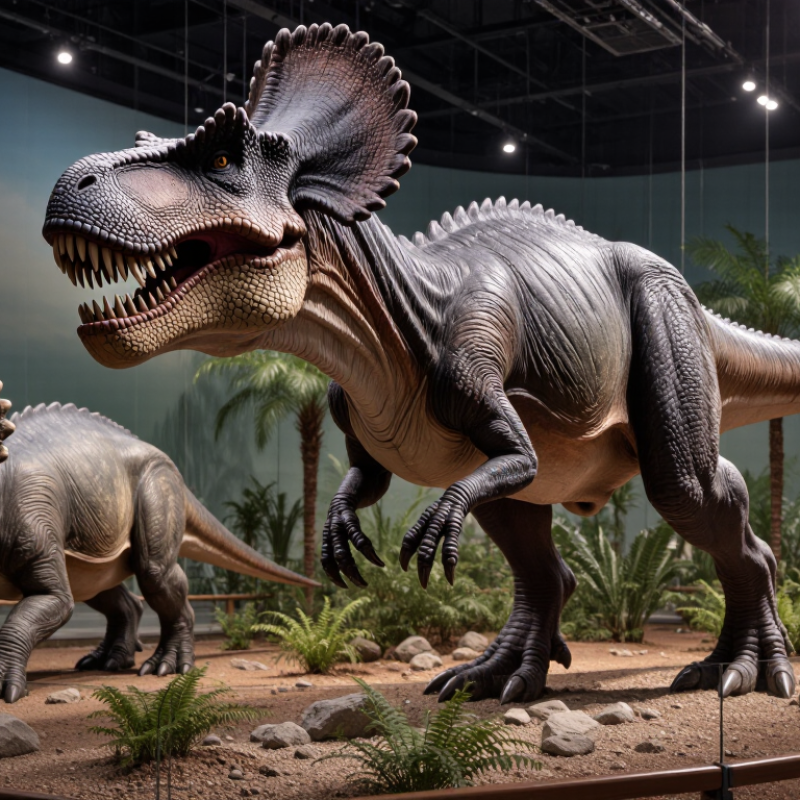
Choosing among Animatronic Dinosaurs begins with understanding what each model is designed to achieve. A museum display may need scientific accuracy, while a theme park attraction may prioritize drama, durability, and audience interaction. Some dinosaurs stand quietly, showing textured skin, feather impressions, and carefully shaped claws. Others move their heads, blink, breathe, roar, or swing their tails across a controlled exhibition space. The difference is immediately noticeable. A static-looking creature can feel lifeless. Excessive movement can appear theatrical rather than believable.

Stan Winston, a respected creature-effects and animatronics pioneer, said, “The best special effects are the ones that are invisible.” That idea remains useful when comparing modern dinosaur models. Smooth jaw movement, concealed mechanisms, realistic weight shifts, and natural eye focus can create stronger impressions than loud sounds alone. Professional buyers should examine the actuator system, exterior materials, maintenance access, safety controls, and expected operating hours. These details matter beneath the skin.

Available types often include walking dinosaurs, standing display figures, interactive dinosaurs, robotic dinosaurs with programmed routines, and custom-built specimens. Tyrannosaurus rex models usually emphasize powerful movement and sound. Triceratops designs often highlight horns, facial motion, and defensive posture. Smaller raptors can suit indoor exhibitions, although their quick gestures may seem less convincing without careful programming. Not every impressive model is the right choice. That is worth remembering.

This guide explores the main types of Animatronic Dinosaurs, their practical differences, and the settings where each performs best. The categories are helpful, but imperfect. Real decisions still depend on space, audience expectations, budget, climate, and maintenance support.
What Types of Animatronic Dinosaurs Are Available?

What Are Animatronic Dinosaurs?

Animatronic dinosaurs are life-sized mechanical creatures designed to imitate prehistoric animals. Their frames use steel, aluminum, or reinforced polymers. Electric motors, hydraulic cylinders, and programmable controllers create movement. A dinosaur may blink, breathe, turn its head, open its jaw, or swing its tail. Sensors can trigger these actions when visitors approach.

Available types vary by movement, scale, and purpose. Static-display models provide limited motion and suit museums or indoor exhibitions. Walking dinosaurs use articulated legs, flexible joints, and carefully balanced weight distribution. They usually need trained operators and clear visitor distances. Roaring models combine jaw movement, speakers, and compressed-air effects. Rideable dinosaurs require stronger frames, secure seating, emergency controls, and documented load testing. Smaller tabletop versions offer lower installation costs, but they cannot create the same physical presence.

Industry demand is growing alongside attractions. The TEA/AECOM 2023 Theme Index reported 244.6 million visits across the world’s top 25 theme parks. MarketsandMarkets estimated the broader animatronics market at about 2.1 billion dollars in 2023, with continued growth expected through 2028. These figures do not measure dinosaur exhibits directly. Still, they indicate expanding investment in interactive experiences. In practical inspections, realistic skin often matters less than smooth timing and quiet movement. That is easy to forget. A convincing head turn can fail when cables show, sounds lag, or maintenance access is poor. Good design should balance scientific appearance, visitor safety, serviceability, and believable motion.

How Are Animatronic Dinosaurs Classified by Size and Design?

What Types of Animatronic Dinosaurs Are Available?

Animatronic dinosaurs are commonly classified by size, movement, and display purpose.

Tabletop models may stand under 0.5 metres, fitting museum cases or educational desks.

Mid-sized units often measure 1.5 to 3 metres. They suit indoor exhibitions, shopping centres, and family attractions.

Full-scale dinosaurs can exceed 8 metres, creating a strong outdoor focal point.

Design matters as much as height. Static models provide posture and detail, while articulated models may move the head, jaw, tail, eyes, or chest. Advanced units combine programmed motion, sound, infrared sensors, and weather-resistant skins.

The 2023 TEA/AECOM Theme Index recorded 246.9 million visits across the world’s top 25 theme parks. This attendance figure suggests why immersive creatures remain valuable for visitor engagement. Allied Market Research estimated the global amusement parks market at 55.3 billion dollars in 2022, with continued growth forecast through 2032. These figures describe the wider attraction sector, not dinosaur sales specifically.

Tips:

Match scale to viewing distance. A 2-metre dinosaur can feel impressive indoors, but it may look small outdoors. Check floor loading, doorway width, noise levels, and maintenance access before installation. Designers sometimes overvalue movement and undervalue skin texture. That is a mistake worth reconsidering. A slightly imperfect roar or uneven pause may feel more natural than constant mechanical motion. Safety testing, professional installation, and scheduled inspections remain essential for reliable public displays.

Which Dinosaur Species Are Commonly Recreated as Animatronics?

Animatronic dinosaurs usually represent species with strong fossil evidence and recognizable body shapes. Tyrannosaurus rex remains one of the most requested choices. Its powerful head, thick tail, and two-fingered hands create an immediate visual impact. A well-designed model should show controlled breathing and balanced weight shifts. Visitors notice small movements.

Triceratops is also commonly recreated because its three horns and broad neck shield are easy to identify. Its head can turn slowly, while the mouth opens with a firm, natural rhythm. Stegosaurus models often highlight paired back plates and a spiked tail. Ankylosaurus adds a different character, with armored skin and a heavy tail club. Long-necked dinosaurs, such as Brachiosaurus, require careful scale planning. Their height can overwhelm an indoor exhibit.

Velociraptor appears frequently, although popular versions are often larger than current fossil evidence suggests. Accurate displays should acknowledge that difference. Parasaurolophus is another useful choice because its long crest supports distinctive visual and sound design. In my experience, realistic pacing matters more than constant movement. Servomotors should create pauses, head tracking, and subtle chest motion. These details make the animal feel observant instead of mechanical. No reconstruction is perfect. Fossil evidence remains incomplete, and some skin textures are educated guesses. I still question overly dramatic roaring, because quieter behavior may appear more scientifically credible.

Common Dinosaur Species Recreated as Animatronics

These species are frequently represented in museum displays, educational exhibits, theme attractions, and entertainment productions. The chart compares approximate adult body length, which helps indicate the scale commonly required for an animatronic recreation.

Approximate adult lengths are based on published paleontological estimates; values can vary by specimen and scientific interpretation.

What Movement, Sound, and Control Features Are Available?

Animatronic dinosaurs can offer far more than a moving head and flashing eyes. Common movement systems include servo-driven joints, hydraulic limbs, and pneumatic effects. Servos usually create controlled motions, such as blinking, tail swaying, and jaw movement. Pneumatic systems can produce stronger actions, including stomping or chest expansion. Each dinosaur feels different. A small raptor may turn quickly, while a large tyrannosaur moves with slower, heavier rhythm.

Sound features often include roars, breathing, footfalls, and synchronized vocal effects. Higher-quality units allow volume adjustment and separate control of several sounds. This matters in museums, exhibitions, and indoor attractions. A loud roar may impress visitors, but it can become uncomfortable in a small room. Sound timing also deserves attention. If the jaw closes after the roar ends, the illusion weakens. It happens more often than people expect.

Control options range from handheld remotes to wired panels and programmable controllers. Some systems support motion sensors, timed sequences, or operator-triggered actions. A sensor can start a head turn when someone approaches, while manual control offers better timing during demonstrations. Reliable installation should include emergency stops, cable protection, and regular joint inspections. Dust, moisture, and repeated movement gradually affect performance. No animatronic system is perfect. Even a well-tested dinosaur may pause, move unevenly, or need recalibration. That small imperfection should be considered before promising a completely lifelike experience.

What Types of Animatronic Dinosaurs Are Available? - What Movement, Sound, and Control Features Are Available?

Animatronic Dinosaur Type Typical Movement Sound Features Control Options Typical Use Power and Installation Operational Considerations
Static Display with Effects Fixed body position with moving eyes, jaw, breathing mechanism, or illuminated features. Preset roars, growls, breathing sounds, footsteps, and environmental sound effects. Manual start button, timer, infrared sensor, or simple programmable controller. Museum displays, retail areas, themed entrances, educational exhibits, and indoor attractions. Usually uses a standard electrical connection. Requires a stable base and limited floor space. Generally the simplest option to install and maintain because it has fewer moving mechanisms.
Head-and-Neck Animatronic Head rotation, neck movement, jaw opening and closing, blinking, and occasional nostril or tongue movement. Roars, calls, hisses, breathing, warning sounds, and synchronized vocal effects. Push button, motion sensor, remote controller, foot switch, or timed sequence. Interactive exhibits, visitor centers, photo areas, educational programs, and indoor displays. Typically requires electrical power, a reinforced base, and sufficient clearance around the head and neck. Provides strong visual interaction without requiring a full walking mechanism.
Tail-Moving Dinosaur Side-to-side or up-and-down tail movement, often combined with head, jaw, or body motion. Low-frequency roars, tail-swish effects, breathing, and movement-triggered vocalizations. Programmable controller, motion sensor, remote control, or synchronized show-control system. Large indoor halls, outdoor attractions, themed trails, and educational installations. Needs a broad safety zone because the tail can create a large moving radius. The tail movement can improve realism, but moving clearance and visitor safety must be planned carefully.
Body-Moving Dinosaur Torso rocking, breathing motion, shoulder movement, head movement, jaw action, and limited limb movement. Roars, grunts, breathing, footsteps, warning calls, and reactions triggered by nearby visitors. Infrared or ultrasonic sensor, programmable cycle, remote control, or digital show controller. Theme parks, science centers, museums, visitor attractions, and high-traffic public displays. Requires a rigid support structure, electrical power, and regular inspection of joints and actuators. Offers more natural movement than a head-only unit while generally using less space than a walking dinosaur.
Walking or Rolling Dinosaur Leg stepping, body sway, head and tail movement, or hidden-wheel movement. Some models use guided tracks. Footstep sounds, roars, breathing, calls, and sounds synchronized with movement. Operator joystick, wireless remote, programmed route, track control, or onboard motion controller. Parades, outdoor events, large attractions, promotional areas, and immersive themed experiences. Needs a level route, adequate turning space, battery or mains power, and a controlled operating area. Provides high visual impact but requires more staffing, maintenance, route planning, and safety control.
Rideable or Vehicle-Based Dinosaur Vehicle movement combined with head, jaw, tail, eye, or body effects. Movement may be operator-controlled. Integrated roars, music, narration, engine effects, and rider- or operator-triggered sounds. Operator controls, onboard switches, wireless control, programmed ride cycle, or track-based automation. Family attractions, guided tours, themed rides, and supervised outdoor experiences. Requires a structural frame, passenger safety systems, charging or electrical supply, and an approved operating surface. Must be designed and operated according to applicable amusement-ride, accessibility, and public-safety requirements.
Outdoor Weather-Resistant Dinosaur Movement may include head, jaw, tail, breathing, body sway, or limited limb action. Weather-resistant speakers can provide roars, calls, breathing, and ambient sound effects. Weather-protected control cabinet, timer, motion sensor, remote control, or networked controller. Outdoor parks, prehistoric trails, zoos, gardens, event venues, and permanent public exhibits. Needs a weather-resistant enclosure, drainage, secure anchoring, suitable power protection, and regular sealing inspections. Outdoor exposure increases maintenance needs, especially for electronic enclosures, coverings, joints, and finishes.
Interactive Educational Dinosaur Head, jaw, eyes, breathing, and body movements activated by visitor interaction. Species-related calls, narration, questions, responses, and volume-controlled sound effects. Touch button, proximity sensor, pressure pad, touchscreen, voice trigger, or exhibit management system. Schools, museums, science centers, libraries, and educational visitor programs. Usually requires mains power, a stable enclosure, accessible controls, and protected visitor-facing components. Can combine movement and narration to explain behavior, anatomy, diet, habitat, and scientific evidence.
Remote-Controlled Performance Dinosaur Coordinated head, jaw, neck, arms, tail, torso, eyes, and walking or rolling movements. Live operator-triggered roars, calls, breathing, and synchronized sound sequences. Multi-channel wireless remote, joystick, wearable control system, or custom show-control interface. Live performances, events, filming, parades, promotional appearances, and immersive entertainment. Requires charged batteries or a mobile power system, operator access, communication range, and a safety spotter. Allows expressive real-time performance but depends heavily on trained operators and reliable wireless control.
Fully Programmed Show Dinosaur Multiple synchronized movements, including head, jaw, eyes, breathing, tail, torso, and selected limb actions. Timed roars, music, narration, environmental audio, lighting, and motion-synchronized effects. PLC or digital controller, show-control software, sensor triggers, scheduled sequences, and network integration. Permanent attractions, theatrical productions, themed environments, and high-end museum installations. Requires professional installation, dedicated power, controller access, structural support, and planned maintenance. Delivers repeatable performances and complex synchronization, but setup and troubleshooting are more specialized.

How Should You Choose the Right Animatronic Dinosaur?

Animatronic dinosaurs range from compact, head-moving displays to full-size models with walking, roaring, blinking, and tail motion. The right type depends on your venue, audience, and operating conditions. A museum may need quiet, scientifically detailed movement. An outdoor attraction may require weather-resistant skin, stronger joints, and louder audio.

Start with visitor flow. The 2023 TEA/AECOM Theme Index reported 244.6 million visits across the world’s top 25 theme parks. That scale shows why visibility and reliability matter in busy attractions. Measure doorways, ceiling height, floor strength, viewing distance, and emergency routes before choosing a model. A 6-meter dinosaur can impress visitors, but it can also block circulation or create difficult maintenance access.

Ask for duty-cycle data, power requirements, control-system details, and replacement-part availability. Servo movement should look smooth, not jerky. Sound levels must suit nearby exhibits and younger visitors. For outdoor use, inspect drainage, cable protection, UV resistance, and temperature limits. Request test videos and a written maintenance schedule. Industry guidance, including ISO 12100 risk-assessment principles, can help teams identify pinch points and unexpected movement hazards.

Do not choose by size alone. A smaller dinosaur with accurate skin texture may create stronger educational value. I would also question exaggerated durability claims without service records. This is where many buyers become too optimistic. Check references from venues with similar weather, visitor numbers, and daily operating hours. A practical fit usually outperforms the most dramatic option.