
Natural beauty for your favorite space

What Is the Best Type of Metal Railing?

Choosing the best type of metal railing depends on where it will be installed, how it will be used, and how much upkeep you can manage. A balcony exposed to sea air has different needs from an indoor staircase or a shaded garden path. Metal Railings can provide strength and a clean, lasting appearance, but the material and finish matter. A powder-coated aluminum rail is relatively light and resists rust, while galvanized or stainless steel may suit projects needing extra strength or a particular finish. Wrought iron offers distinctive decorative detail, though it can require more maintenance. There is no perfect pick.

A useful comparison looks beyond appearance. Check the railing’s structural design, finish quality, connection points, and compatibility with the surface where it will be mounted. Small details matter: water trapped around a post base can shorten a finish’s life, and a smooth-looking handrail may feel uncomfortable if its profile is too large. Ask a qualified installer about site conditions and follow applicable local building requirements. These can vary by location and project. Also compare cleaning needs, repair options, and total installed cost rather than judging by the initial price alone. One trade-off is easy to miss: the strongest-looking option may not be the most practical for your space. The right choice balances safety, durability, style, and maintenance—with room for honest compromises.
What Is the Best Type of Metal Railing?

What Metal Railings Are and Where They Are Used

What Is the Best Type of Metal Railing?

What Metal Railings Are and Where They Are Used

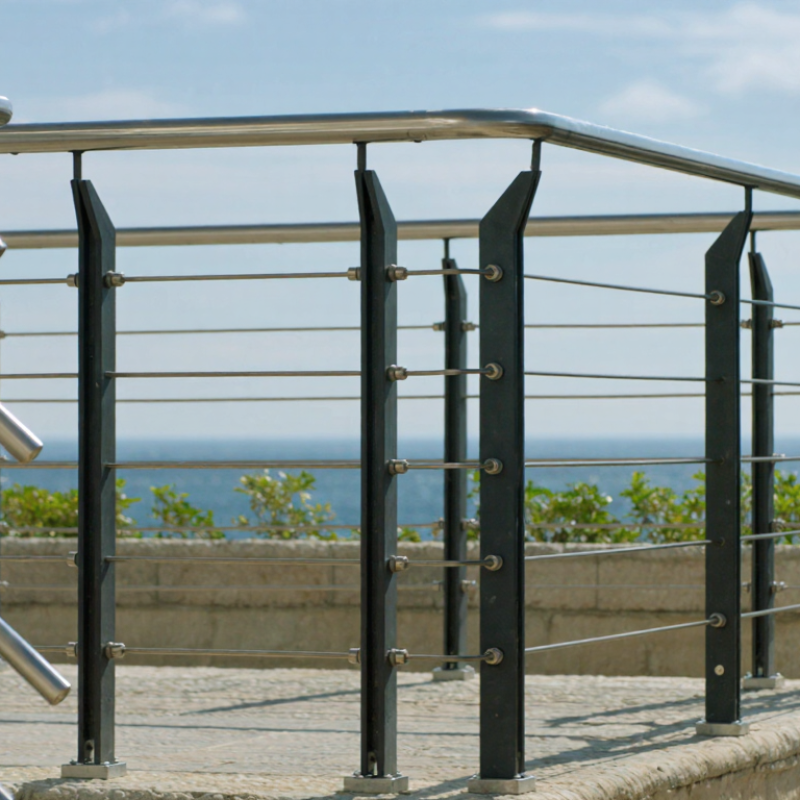
Metal railings are protective barriers made from materials such as steel, aluminum, or iron. Most have posts, horizontal rails, and vertical bars or panels. A handrail gives people a steady grip, while a guardrail helps prevent falls near an exposed edge. These roles can overlap, but they are not always interchangeable.

Small detail, big difference.

Steel is strong and suits busy areas; aluminum is lighter and resists rust. Iron can support intricate designs, though it is heavier and may need more upkeep. No option is perfect. The right choice depends on weather, use, appearance, and maintenance.

You’ll find metal railings beside stairs, balconies, decks, ramps, walkways, and raised platforms. Indoors, open metal balusters can guide people along a staircase without blocking much light. Outdoors, railings define porch and patio edges or protect elevated paths.

Workplaces may use sturdier systems near loading areas, machinery, or platforms. A balcony exposed to salt spray faces different conditions from a dry indoor landing. Moisture, frequent contact, and surface damage can affect how a railing holds up over time.

Material, finish, grip, spacing, and secure anchoring all deserve attention. Choosing by appearance alone can be tempting, but site conditions matter just as much.

Which Metals Are Commonly Used for Railings?

Metal railings are commonly made from carbon steel, stainless steel, aluminum, and iron. Carbon steel is strong and widely used for stairs, balconies, and outdoor barriers. It usually needs a protective coating, such as paint or galvanizing, because exposed steel can rust. Scratches and joints deserve attention; water often collects there first.

Stainless steel resists corrosion well and has a clean, modern appearance. It can suit coastal or damp settings, though its performance depends on the alloy and the surrounding conditions.

Aluminum is lighter and naturally forms a corrosion-resistant surface. That makes it easier to handle during installation, but the design may need larger or thicker sections to achieve the same stiffness as steel. Lightweight, but not flimsy.

Iron railings are valued for their substantial feel and decorative shapes. Many products described as wrought iron are actually made from steel, so checking the material specification is useful. Finishes matter. In practice, the best choice depends on location, load requirements, maintenance plans, and appearance. A railing that looks perfect indoors may need more frequent care near sea spray, and even a durable coating can wear at busy hand-contact points.

How Do Metal Railing Materials Compare?

Aluminum is light, easy to handle, and naturally resistant to rust. It suits balconies and decks where lower weight matters. Its finish can still scratch, and thinner sections may feel less solid under a firm push. Check the rail’s design and support, not just its material.

Steel offers greater strength and a reassuringly rigid feel. Galvanized or powder-coated steel can resist corrosion, but chips and cut edges may need attention, especially in damp or coastal settings. Stainless steel handles moisture well, though its upfront cost is often higher. It can also show fingerprints more readily than expected. Small detail, big visual effect.

Wrought iron brings decorative shapes and a substantial appearance, but its weight and finish require careful consideration. Any metal railing can corrode if water collects around joints or fasteners. A sample in a showroom will not reveal how a finish ages through sun, rain, and everyday contact. I would compare maintenance needs, local exposure, and the installer’s structural specifications before choosing; material alone rarely tells the whole story.

What Factors Determine the Best Metal Railing?

What Is the Best Type of Metal Railing?

What Factors Determine the Best Metal Railing?

The best metal railing depends on where it will be installed, how it will be used, and how much upkeep you can manage. For a damp or coastal setting, corrosion resistance deserves close attention. Aluminum is relatively light and resists rust, while properly protected steel can offer a solid, substantial feel. Stainless steel is another option, but its suitability depends on the environment and finish. No material is maintenance-free.

Safety and installation matter as much as appearance. Check that the railing feels firm, has secure connections, and suits the stairs, balcony, or walkway. Spacing, height, and handrail details should meet the requirements that apply to your project; ask a qualified installer when details are unclear. Also consider touch and sight: a broad, smooth handrail may feel comfortable, while slim bars can preserve an open view. A style that looks elegant in a showroom may feel too stark beside a warm, older home. That trade-off is easy to overlook.

Tips: Ask how the finish handles scratches, moisture, and routine cleaning. Request a sample if possible, and compare it outdoors in daylight. Check the posts and fasteners, not just the visible rails. A beautiful finish cannot compensate for a weak installation.

What Is the Best Type of Metal Railing? - What Factors Determine the Best Metal Railing?

Metal Type Corrosion Resistance Strength and Rigidity Maintenance Weight Relative Cost Often Best Suited For
Aluminum Good natural resistance to corrosion; suitable for many outdoor settings. Generally less rigid than steel, so design and member size matter for the required loads. Usually low; periodic cleaning and inspection are recommended. Lightweight, which can simplify handling and installation. Moderate; varies with profile, finish, and fabrication. Residential decks, balconies, and projects where low weight and limited upkeep are priorities.
Stainless Steel Very good when the grade suits the environment. Grade 316 typically offers better chloride resistance than grade 304. Strong and durable; performance depends on the alloy, section, and connection design. Low to moderate; cleaning helps limit surface staining, especially in coastal or polluted environments. Heavier than aluminum; lighter designs are possible with suitable sections. Often high; grade, finish, and fabrication influence cost. Modern designs, commercial settings, and locations where a clean finish and corrosion resistance are important.
Galvanized Steel Good when the zinc coating is intact; cut edges, damage, and harsh exposure can increase corrosion risk. High strength and rigidity, subject to appropriate sizing and installation. Low to moderate; inspect the coating and repair damaged areas using a suitable system. Heavy compared with aluminum. Often moderate; coating and fabrication requirements affect the final cost. Exterior stairs, industrial settings, and projects needing a robust steel railing with a protective coating.
Wrought Iron Requires a sound protective finish to limit rust, particularly outdoors. Strong and rigid; its substantial construction can support decorative designs. Moderate to high outdoors; inspect paint or other protective finishes and address rust promptly. Heavy, which may require stronger supporting structures. Often moderate to high; custom ornamental work can increase cost. Traditional or decorative railings where appearance and a substantial feel are priorities.

How to choose: The best railing depends on exposure to moisture or salt, required strength, maintenance preferences, appearance, weight limits, and budget. Confirm that the complete railing system meets applicable local building codes; material alone does not determine safety or structural performance.

Which Metal Railing Works Best for Different Needs?

Which metal railing works best depends on exposure, maintenance, weight, and appearance. For a coastal balcony, marine-grade stainless steel resists corrosion, though salt deposits still need regular washing. Powder-coated aluminum suits decks where low weight and easy upkeep matter. It is not ideal for every design: thin sections can feel less substantial than steel.

For heavy use or a crisp, modern look, galvanized steel offers strength at a practical cost. The American Galvanizers Association’s Time to First Maintenance chart estimates that a 100-micrometer zinc coating can last over 75 years in rural exposure, but roughly 20–40 years in harsher industrial or marine conditions. That difference makes location more important than a material label alone. Check coating specifications, joints, and drainage; trapped water can undermine even a robust finish. A common specification mistake is choosing by appearance before considering the site. Not perfect, but avoidable. Where recycled content matters, the Aluminum Association reports that recycling aluminum uses about 95% less energy than producing primary aluminum. Ask suppliers for documented alloy and coating details, then compare maintenance needs against the railing’s actual exposure.

What Is the Best Type of Metal Railing?

Compare common railing materials across key practical considerations. Ratings are general, qualitative comparisons on a 1–5 scale, not standardized test results; performance varies with alloy, finish, installation, and exposure.

Aluminum is a lightweight, low-maintenance choice. Galvanized steel offers high strength, while stainless steel is often a strong option where corrosion resistance matters. Traditional wrought iron suits ornamental designs but typically needs more upkeep to protect it from rust.