
Natural beauty for your favorite space
China Top Lead Stained Glass Windows Suppliers?
China’s top Lead Stained Glass Windows suppliers are not necessarily the largest factories. The right partner can explain how each panel is designed, assembled, inspected, and packed. Charles J. Connick, the American stained-glass artist, captured the medium in the often-cited phrase, “a picture made of light.” That idea matters when comparing suppliers: glass color, lead lines, and workmanship shape how a window looks in daylight and indoors.
A strong supplier should provide clear drawings, glass samples, lead-profile details, and realistic production timelines. Ask how the team checks solder joints, panel dimensions, and protective packaging. Request photographs of completed work, and, where possible, inspect a sample under natural light. Small details count. A slight ripple in handmade glass can add character; uneven joints or poorly aligned borders may signal weak quality control. Not every flaw is obvious in a catalog image.
This guide examines China-based suppliers through practical criteria, including customization, communication, production capacity, and after-sales support. It also considers questions buyers should ask before placing an order, rather than treating polished websites as proof of reliability. No checklist catches everything. Supplier claims still need verification, and project requirements can vary considerably. The aim is to help readers compare options carefully and identify a partner whose skills fit the design, budget, and installation conditions.
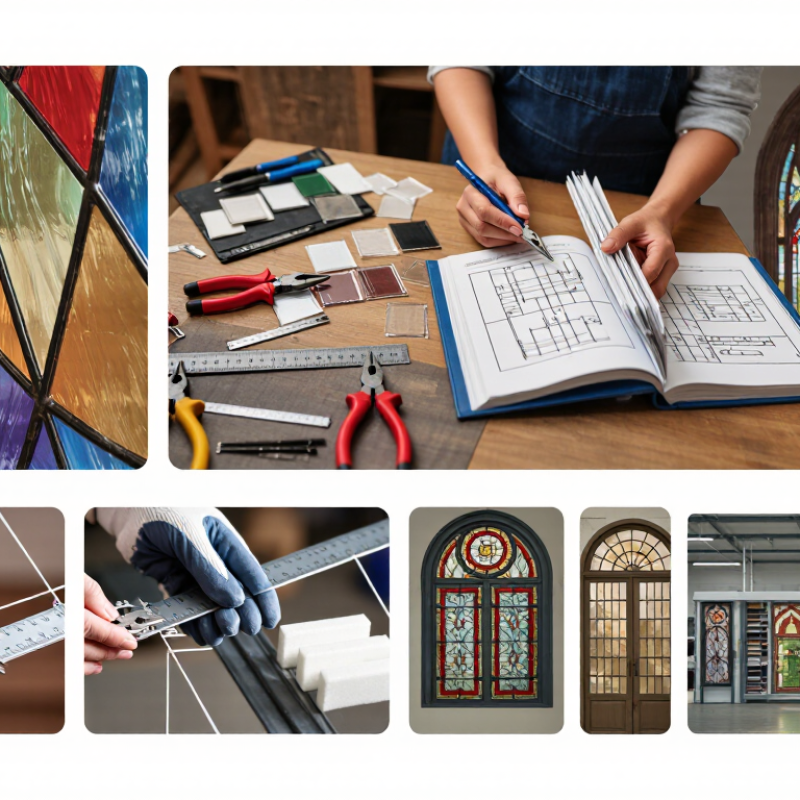
What Lead Stained Glass Windows Are and Where They Are Used
Lead stained glass windows are made from separate pieces of colored or clear glass, held together by narrow strips of lead called came. The came creates visible outlines, while soldered joints connect intersecting strips. Some designs include painted details, but the glass often provides the main color and pattern. Daylight changes their appearance throughout the day. A blue pane may look cool at noon and almost gray under cloudy skies. That variability is part of their appeal, and sometimes a frustration.
These windows appear in religious buildings, historic homes, libraries, and civic spaces, where colored light can shape a room without decorating every surface. Smaller panels also suit cabinet doors, interior partitions, and entry sidelights.
Placement matters. A sunlit opening can reveal glass texture, while a shaded corridor may make dark panes feel heavy. For exterior use, the panel needs suitable support and weather protection; leaded glass is not automatically a complete insulating window.
Ask how it will be mounted, cleaned, and repaired. Older panels may need specialist assessment, since loose came or cracked glass can worsen during handling. Even a beautiful pattern can feel busy in a small room. Check it in the actual light, though this step is easy to skip.
How China’s Lead Stained Glass Industry Is Organized
China’s lead stained glass industry is organized around several linked roles, rather than one standard factory model. Design studios may prepare drawings and color layouts, while glass workshops cut, paint, or texture individual pieces. Fabricators then assemble panels with lead came, soldering joints and checking that the sections sit square. Some suppliers manage these steps in-house; others coordinate specialist workshops.
That division affects communication. A customer may approve a digital drawing, yet glass colors can look different in daylight. Ask how samples, dimensions, and installation details are confirmed before production. Small checks matter. Clear photos of corners and joints can reveal workmanship more effectively than broad catalog images. Suppliers with documented inspection steps can explain what they check, such as panel dimensions, solder consistency, and protective packing.
Export-oriented businesses may also arrange crating and shipping, but responsibilities vary. Confirm who handles each stage and what information is needed for a quote. This structure offers flexibility, though it can create gaps when design, fabrication, and packing are handled by different teams. Details can drift. I would not treat a polished portfolio as proof of consistent results; a specific sample and written specifications provide a more grounded basis for comparison.
How Leading Chinese Suppliers Design and Manufacture Windows
China Top Lead Stained Glass Windows Suppliers?
How Leading Chinese Suppliers Design and Manufacture Windows
Leading Chinese suppliers turn sketches into windows through careful design, glass selection, and controlled assembly. Design begins with the opening’s measurements, light conditions, and intended use. A sunny entry may need richer colors, while a narrow hallway often benefits from lighter glass. Designers map each piece before cutting, so patterns align and borders remain balanced. Small details matter. The lead came’s width can change how a finished panel looks.
Manufacturing combines handwork with measured checks. Artisans cut colored glass, smooth sharp edges, and fit pieces into lead channels or copper foil, depending on the design. Soldered joints hold the panel together, while cement may help stabilize traditional leaded work. Panels are inspected for loose connections, uneven lines, and color differences. Fit also matters: installers need accurate frame dimensions and suitable support. Not every workshop gets the first sample right. That is worth discussing early.
Tips: Request a scale drawing and glass samples before production. Confirm panel dimensions, frame details, and cleaning guidance in writing. Ask how the supplier checks joints and protects the window during shipping. A small sample panel can reveal color shifts that a screen cannot show.
How to Evaluate Lead Stained Glass Window Suppliers
Choosing a lead stained glass window supplier starts with the drawings, not the sales pitch. Share the opening size, installation setting, and preferred glass colors, then ask for a shop drawing showing panel divisions and lead came widths. A capable supplier should explain how those choices affect strength, light, and appearance. Ask for close-up photos of solder joints and finished edges. Details matter.
Request physical glass samples when color accuracy is important; a screen can make amber look much brighter than it is. Check whether the supplier can explain glass variation, expected tolerances, and how each panel will be protected during shipping. Ask about past projects with similar dimensions, and look for clear records of design changes and inspection steps. Good answers are specific, not simply reassuring.
Communication is part of quality. Note how quickly questions are answered and whether measurements are confirmed before production. If a supplier avoids discussing repairs or maintenance, pause and ask again. I would not judge a workshop from one polished photograph alone; even experienced makers have imperfect pieces. A transparent process, careful packing plan, and realistic schedule are stronger signs of reliability.
What to Check When Sourcing and Importing from China
China Top Lead Stained Glass Windows Suppliers? What to Check When Sourcing and Importing from China
Choosing a supplier takes more than comparing quotations. Request drawings showing panel dimensions, glass colors, lead came width, solder details, and hanging hardware. Ask for close-up photos of finished joints and a sample of the protective packaging. A small sample can reveal uneven soldering or color differences, but it cannot prove that every production panel will match. Confirm tolerances and inspection steps in writing before paying a deposit.
Logistics matter, too. The World Bank’s 2023 Logistics Performance Index ranked China 19th among 139 economies, but this national score cannot predict an individual shipment. UNCTAD’s Review of Maritime Transport 2024 reported maritime trade growth of 2.4% in 2023, a reminder that shipping capacity and schedules can shift. Compare quotes using the same Incoterm, shipment size, and destination charges. Confirm the commercial invoice, packing list, crate dimensions, insurance, and expected transit time with your freight forwarder. Details matter.
Tips: Photograph the approved sample beside a ruler and color reference. Specify corner guards, moisture protection, and shock indicators for fragile panels. Check import classification and local requirements with a customs broker. A neat crate helps; it is not a guarantee.
