2025 Top Green Building Products That Will Revolutionize Sustainability
As the global focus on sustainability intensifies, the construction industry is poised for a significant transformation in how buildings are designed, constructed, and operated. The emergence of innovative Green Building Products is at the forefront of this movement, aiming to minimize environmental impact while enhancing the efficiency and longevity of structures. From energy-efficient materials to sustainable construction techniques, these products not only address the ecological challenges we face today but also pave the way for a more sustainable future in architecture and design.
In 2025, the landscape of green building is expected to shift dramatically as new technologies and materials are introduced, revolutionizing the way we think about sustainability in construction. This evolution is driven by the urgent need to reduce carbon footprints and promote energy conservation, making Green Building Products crucial in facilitating this transition. As we explore the top sustainable solutions set to change the industry, we will uncover how these products can effectively contribute to creating healthier living environments while adhering to the principles of sustainability.
The following sections will delve into the most promising Green Building Products that exemplify innovation and environmental consciousness. By embracing these advancements, builders and architects have the opportunity to lead the charge toward a greener, more sustainable future, ultimately transforming not just the construction sector but also the way we interact with our built environment.
Top Eco-Friendly Materials Transforming Construction by 2025
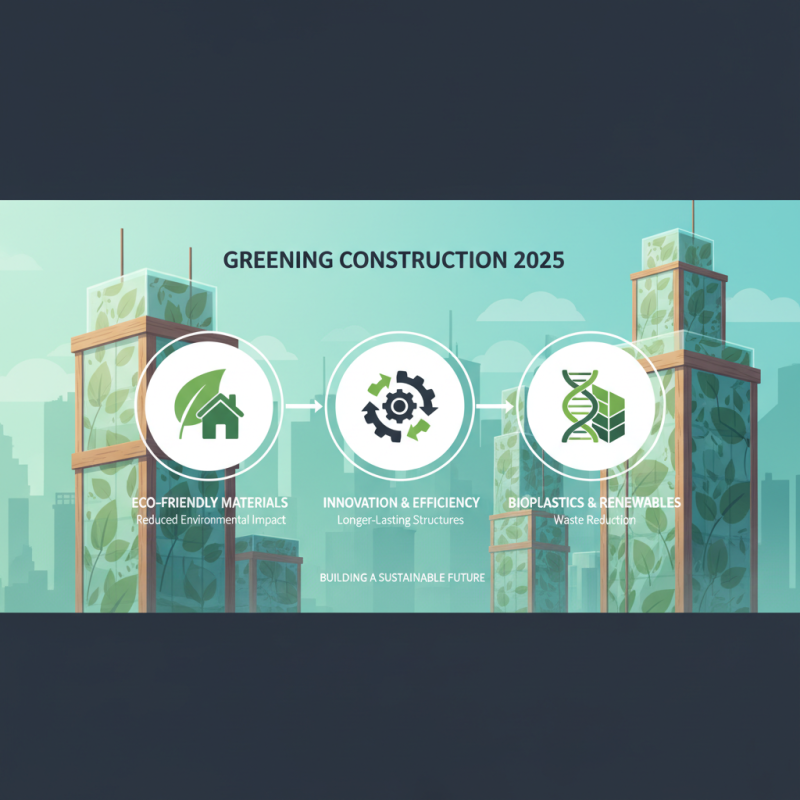
As we approach 2025, the construction industry is witnessing a significant shift towards eco-friendly materials that promise to reshape sustainability practices. Innovations in sustainable building products are emerging at an unprecedented pace, showcasing materials that not only reduce environmental impact but also enhance the efficiency and longevity of structures. Among these advancements, bioplastics derived from renewable resources are set to gain traction. These materials, often biodegradable, offer an alternative to traditional plastics, thereby contributing to waste reduction in construction sites.
Additionally, advancements in smart glass technology are revolutionizing energy efficiency in buildings. Smart glass can transition between transparent and opaque states, minimizing heat gain during hotter months and enhancing thermal insulation in winters. This functionality decreases reliance on heating and cooling systems, ultimately reducing energy consumption. Furthermore, the integration of recycled materials, such as reclaimed wood and recycled metals, is becoming standard practice. These materials not only promote circular economy principles but also add unique character and durability to building designs, proving that sustainability can be both practical and aesthetically pleasing.
Innovative Energy-Efficient Technologies Leading the Green Revolution
As we move towards a more sustainable future, innovative energy-efficient technologies are crucial in transforming the way we construct and inhabit our buildings. One of the most exciting developments in this sector is the integration of smart energy management systems. These systems utilize advanced algorithms and real-time data analytics to optimize energy use, adjusting heating, cooling, and lighting automatically based on occupancy and weather conditions. This not only reduces energy consumption but also significantly lowers operational costs, making buildings more economical and environmentally friendly.
In addition to smart systems, emerging materials such as phase change materials (PCMs) are set to revolutionize thermal management in buildings. PCMs can absorb, store, and release heat as needed, helping to regulate indoor temperatures more efficiently. This capability allows buildings to minimize reliance on artificial heating and cooling systems, further enhancing energy efficiency.
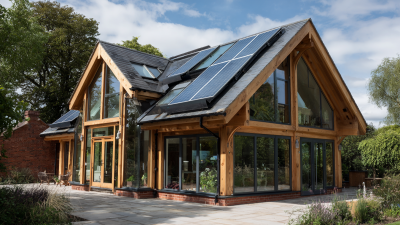
Moreover, the adoption of renewable energy sources, such as solar panels integrated into building materials, is becoming increasingly prevalent, promoting a decentralized approach to energy generation. Together, these technologies represent a paradigm shift towards sustainability in construction, paving the way for greener, smarter buildings that contribute positively to our environment.
Sustainable Water Management Solutions for Modern Buildings
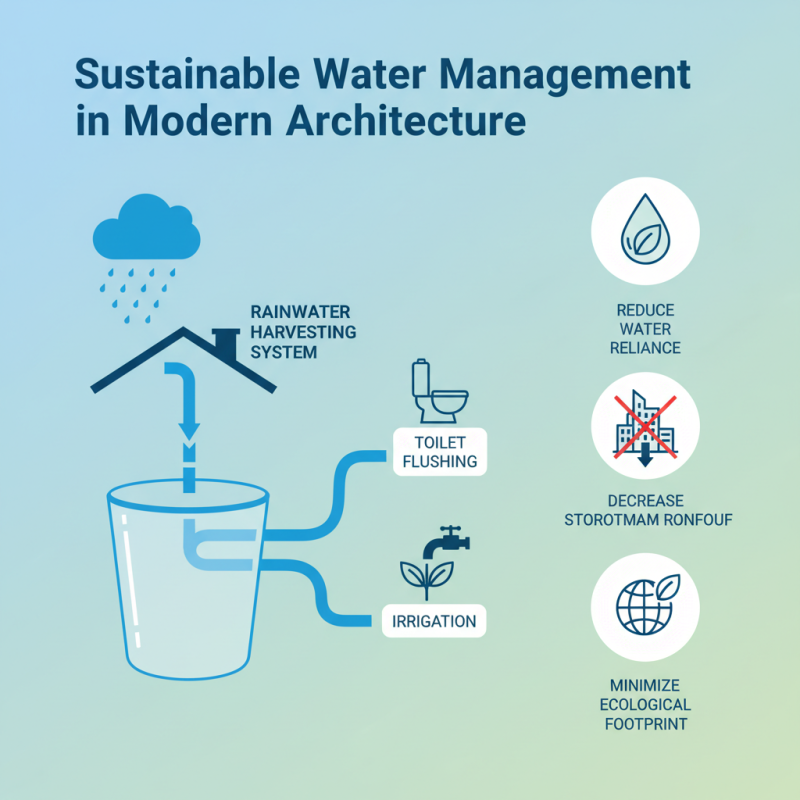
In the quest for sustainable architecture, modern buildings are increasingly incorporating advanced water management solutions to minimize their ecological footprint. One of the most effective strategies includes the installation of rainwater harvesting systems, which capture and store rainwater for non-potable uses such as irrigation and toilet flushing. This innovative approach not only reduces reliance on municipal water supplies but also decreases stormwater runoff, alleviating pressure on urban drainage systems.
Moreover, the integration of smart water management technologies is transforming the way buildings use water. Automated systems equipped with sensors can monitor water usage in real time, identifying leaks or inefficiencies and allowing for quick interventions. This data-driven approach empowers building managers to optimize water consumption, reduce waste, and enhance overall sustainability. As these solutions gain traction, they collectively contribute to creating resilient urban environments that are capable of adapting to the challenges posed by climate change and rising populations.
Biodegradable and Recyclable Products Shaping Green Architecture
As we move toward a more sustainable future, the architectural landscape is being transformed by innovative biodegradable and recyclable materials. These products not only minimize ecological footprints but also enhance the functionality and aesthetic appeal of buildings. From mycelium-based insulation to plant-based composites, architects and builders are embracing solutions that break down naturally over time or can be reintroduced into the production cycle, thereby reducing waste and conserving resources.
Tips for incorporating these materials into your next project include starting with a life cycle assessment to identify the environmental impact of various options. Additionally, consider collaborating with local suppliers who prioritize sustainability in their offerings. This not only supports the local economy but can also reduce transportation emissions. Lastly, educate clients about the long-term benefits of biodegradable and recyclable products, helping them to appreciate how these materials contribute to a healthier environment and potentially lower maintenance costs over time.
The rise of green architecture calls for a shift in mindset, where the choice of materials is guided by their capability to foster sustainability. Embracing biodegradable and recyclable options is key to revolutionizing the building industry, enabling us to create spaces that are not only aesthetically pleasing but also environmentally responsible. By making informed material choices, we can pave the way for a more sustainable built environment that prioritizes the health of our planet.
Impact of Green Building Certifications on Market Demand in 2025
As the urgency for sustainable construction practices increases, green building certifications are becoming pivotal in shaping market dynamics. According to a 2023 report from the U.S. Green Building Council, buildings with certification, such as LEED, command an average premium of 7% in lease rates compared to traditional structures. This trend indicates a clear shift in market demand towards environmentally responsible options, as buyers and tenants prioritize sustainability in their decision-making processes.
The influence of green building certifications is further underscored by a survey from McGraw Hill Construction, which found that 47% of contractors expect to focus more on green building certifications in their projects by 2025. This is anticipated to transform the business models of construction firms and drive innovation in building product selections. With a growing body of evidence indicating that certified green buildings not only reduce energy and operational costs but also enhance occupant health and well-being, the market's trajectory reflects an increasing recognition of the long-term value associated with sustainable development practices. This momentum is likely to reinforce the importance of certifications as a vital benchmark in the competitive real estate landscape.
2025 Top Green Building Products That Will Revolutionize Sustainability - Impact of Green Building Certifications on Market Demand in 2025
| Product Type |
Sustainability Feature |
Market Demand (%) |
Certifications Impact |
| Recycled Materials |
Made from 100% post-consumer waste |
75% |
LEED, BREEAM |
| Solar Roof Panels |
Energy-efficient technology |
85% |
LEED, ENERGY STAR |
| Eco-Friendly Insulation |
Natural fibers, reduces energy usage |
68% |
LEED, GreenStar |
| Low-VOC Paints |
Minimal chemical emissions |
60% |
Green Seal, EcoLabel |
| Smart Home Technology |
Energy management systems |
70% |
LEED, RESNET |