Top 10 Green Building Materials You Should Consider for Sustainable Construction?
In recent years, the construction industry has seen a growing emphasis on sustainability. Green Building Materials play a crucial role in reducing environmental impact. According to the World Green Building Council, buildings contribute to 39% of global carbon emissions. This underscores the urgent need for eco-friendly alternatives.
Employing sustainable materials can significantly enhance energy efficiency. For instance, using recycled steel can reduce energy consumption by up to 75%. Moreover, a report from McKinsey highlights that adopting sustainable practices could save the construction sector over $1 trillion annually. These figures reveal the tangible benefits of embracing Green Building Materials.
However, the transition to sustainable construction is not without challenges. Many builders still overlook the advantages of these materials. Education and awareness about their benefits remain limited. Recognizing this gap is essential to drive broader adoption. Sustainable construction can reshape the future, but it requires collective effort and commitment from all stakeholders.
Top 10 Green Building Materials for Sustainable Construction: An Overview
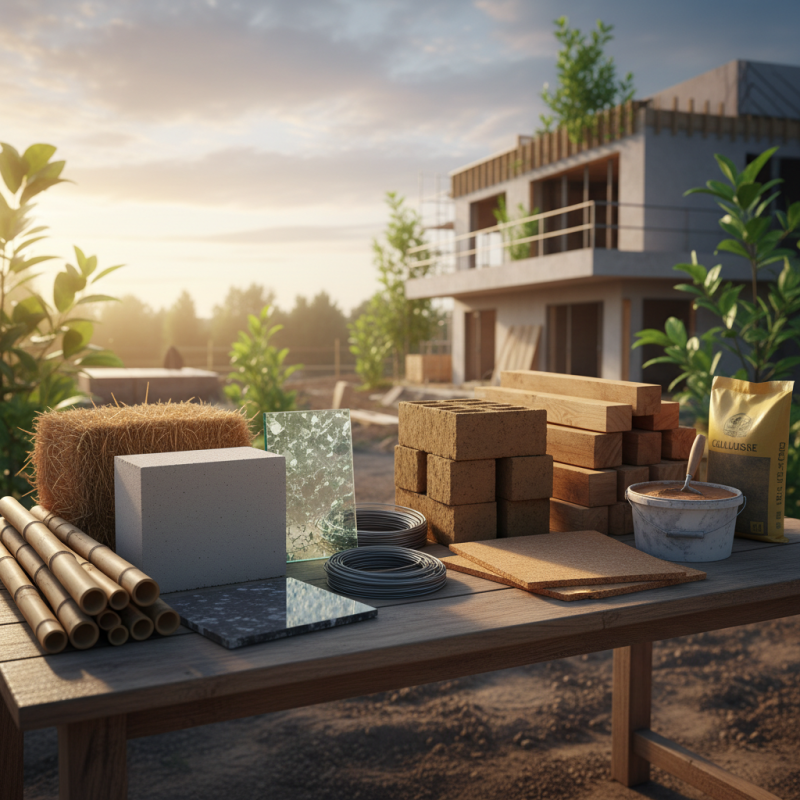
When it comes to sustainable construction, choosing the right materials is crucial. Green building materials reduce environmental impact and improve energy efficiency. Many options are available, but understanding their benefits is key. For instance, reclaimed wood is an excellent choice. It minimizes waste and adds character. Every piece tells a story, making homes unique.
Another noteworthy option is bamboo. It's fast-growing and incredibly durable. Bamboo can be used for flooring, cabinetry, and even structural elements. This renewable resource has a smaller carbon footprint than traditional wood. Its versatility often surprises builders.
Recycled steel is also gaining traction. It requires less energy to produce than new steel. Plus, it boasts incredible strength and longevity. However, its production can still generate emissions, necessitating careful sourcing. There’s always room for improvement in material selection. As the industry evolves, new materials will emerge, prompting ongoing reflection on their environmental impact. Balancing innovation with sustainability remains a challenge.
Comparative Analysis of Recycled vs. Virgin Materials in Construction
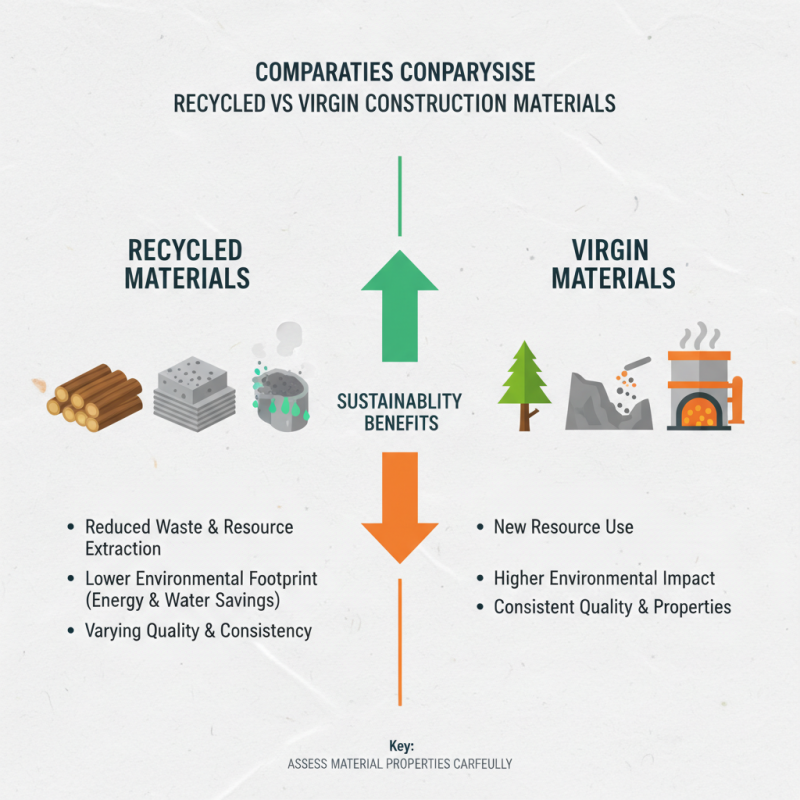
In the construction sector, the use of materials significantly impacts sustainability. Recycled materials are often touted for reducing waste and resource extraction. They can foster lower environmental footprints compared to virgin materials, which require new resources. For instance, reclaimed wood or recycled metal can save energy and water. However, their quality and consistency can vary. It's essential to assess each material's properties carefully.
Tips: Always obtain samples to analyze durability. Check for certifications that ensure quality standards, especially when using recycled components.
On the other hand, virgin materials are typically known for their uniformity and reliability. However, they often involve more intensive resource extraction. This raises concerns about the depletion of natural resources. Evaluating how often to use each type of material can present a challenge. The decision should consider environmental impact, cost, and project requirements.
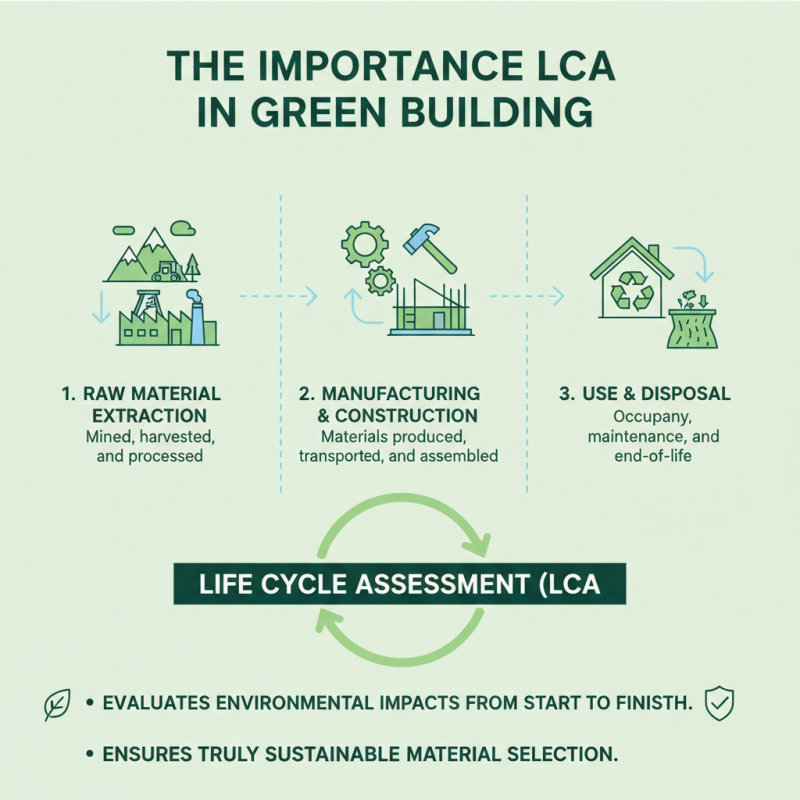
Tips: Consider lifecycle assessments for both material types. Reflect on the long-term benefits versus the immediate costs. Engaging with local suppliers may unveil sustainable options you haven’t considered.
Innovative Biodegradable Materials and Their Role in Sustainable Design
In today's eco-conscious world, innovative biodegradable materials are transforming sustainable design. These materials reduce the environmental impact of construction. They decompose naturally, minimizing landfill waste. Options like bamboo, hempcrete, and mycelium-based products offer great alternatives to traditional building materials.
Selecting the right biodegradable materials is essential. For example, bamboo grows rapidly and absorbs CO2 efficiently. Hempcrete is lightweight and offers proper insulation. Mycelium, a fungal material, provides strength while being completely compostable. It's critical to evaluate their applications in your projects.
Tips: Always consider local availability of materials. This reduces transportation emissions. Research the lifecycle impacts of each material to ensure true sustainability. Assessing the long-term durability and maintenance needs can lead to smarter choices. Sustainable construction is not just about materials; it's also about how we use them. Reflect on the overall impact of each choice on the environment.
Top 10 Green Building Materials You Should Consider for Sustainable Construction
Energy Efficiency: How Sustainable Materials Reduce Carbon Footprint
When considering sustainable construction, energy efficiency plays a crucial role. Sustainable materials significantly reduce a building’s carbon footprint. They minimize energy consumption during production and throughout a building’s lifecycle. For instance, materials such as reclaimed wood or bamboo not only require less energy to harvest but also enhance insulation, which leads to lower energy bills.
Moreover, using recycled materials can divert waste from landfills. This process often has a lower embodied energy compared to new materials. Instead of sourcing fresh resources, we can repurpose existing ones. This practice not only conserves energy but also reduces greenhouse gas emissions. Many architects and builders are becoming more aware of these benefits.
However, it’s essential to recognize that sustainable materials are not always perfect. Some may come with higher initial costs or availability issues. Often, there’s a trade-off between sustainability and traditional practices. A deep understanding of these factors helps us make informed choices. Sustainable construction is a journey with both successes and challenges.
Top 10 Green Building Materials You Should Consider for Sustainable Construction
| Material |
Description |
Sustainability Rating |
Carbon Footprint Reduction (%) |
| Bamboo |
A fast-growing grass that is strong and durable. |
Excellent |
30% |
| Recycled Steel |
Steel that has been recycled from scrap materials. |
Very Good |
75% |
| Rammed Earth |
A building material made from compressed earth. |
Good |
20% |
| Hempcrete |
A biocomposite made from hemp hurds and lime. |
Excellent |
40% |
| Cork |
A renewable and biodegradable material harvested from cork oak trees. |
Very Good |
25% |
| Sustainable Concrete |
Concrete made with recycled materials and low carbon cement. |
Good |
30% |
| Straw Bales |
Used as insulation and building blocks, offering high thermal performance. |
Excellent |
50% |
| Recycled Glass |
Re-used glass materials for insulation or finishings. |
Good |
15% |
| Low-VOC Paints |
Paints with lower volatile organic compounds for better air quality. |
Very Good |
10% |
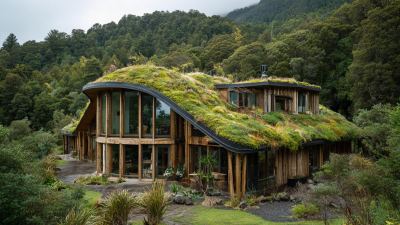
| Green Roof Systems |
Vegetated roofs providing insulation and reducing stormwater runoff. |
Excellent |
60% |