
Natural beauty for your favorite space

What Is Sport Floor and Which Type Is Best?

Choosing a Sport Floor is not a cosmetic decision. It affects impact, traction, ball response, noise, and long-term maintenance. A basketball player feels the surface during every jump and landing. A school gym also needs simple cleaning and dependable durability.

Industry data shows why this choice deserves closer attention. Grand View Research estimates that the global sports flooring market will continue expanding through 2030, supported by school facilities, fitness centers, and professional venues. The 2024 SFIA Topline Participation Report recorded more than 240 million Americans taking part in at least one sport or fitness activity in 2023. More users mean more demanding surfaces. Yet market forecasts differ, so no single figure should be treated as absolute.

Sports-flooring consultant John T. Frawley states, “The floor is the athlete’s first piece of equipment.” His point is practical. A sprung wood floor may suit basketball and volleyball, while rubber or PVC can better serve multipurpose rooms and strength areas. EN 14904 testing also considers shock absorption, vertical deformation, friction, and ball rebound. These details matter under real shoes, not just in a showroom.

There is no universal winner. Harder is not always better. Softer is not automatically safer. A beautiful floor can still produce glare, slippery dust, or expensive repairs. The best Sport Floor balances athlete protection, sport-specific performance, installation conditions, and lifecycle cost. That balance requires experience, verified test data, and honest review after installation. Mistakes happen. The important question is whether the decision process can learn from them.
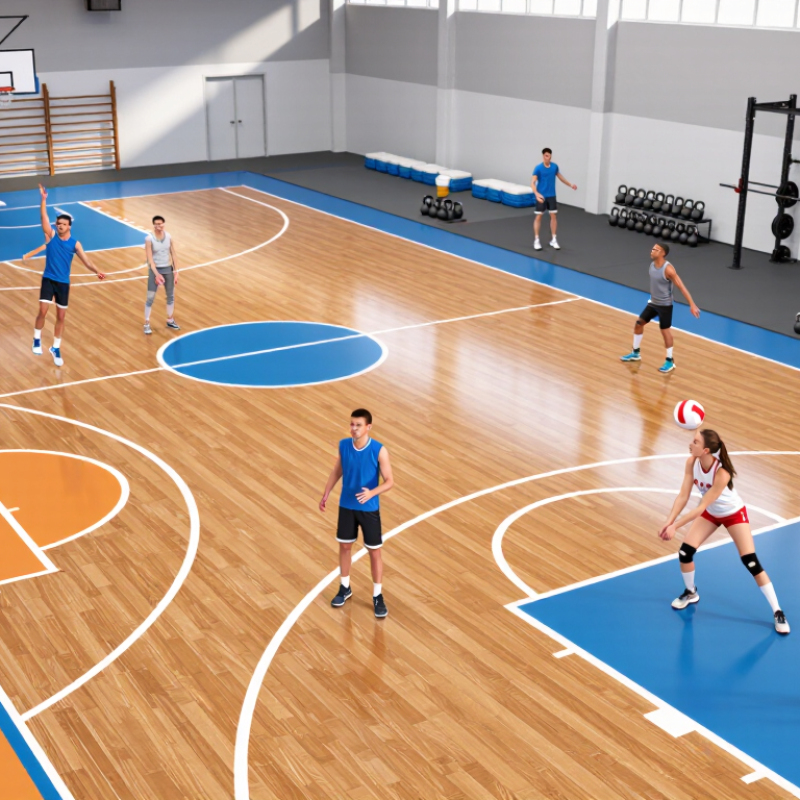
What Is Sport Floor and Which Type Is Best?

Definition and Core Features of Sports Flooring

Sports flooring is an engineered surface designed for movement, impact, and repeated athletic use. It is more than a smooth floor underfoot. Its structure manages shock, grip, ball response, noise, and athlete comfort. Common systems include wood, rubber, vinyl, polyurethane, and modular tiles. Each type behaves differently during a sprint, jump, or sudden stop.

Safety comes first.

EN 14904:2006 specifies a force-reduction range of 25% to 75% for many indoor sports floors. It also limits vertical deformation to 3.5 millimeters and requires consistent ball rebound performance. These figures show why appearance alone cannot identify a quality floor. A glossy surface may still feel hard, slippery, or uneven after installation. I have seen projects focus on color while overlooking subfloor moisture and joint movement. That mistake can become expensive.

The best type depends on the sport, facility, and maintenance plan. Wood often provides a responsive feel for basketball and volleyball. Rubber supports high traffic and reduces impact in fitness areas. Vinyl offers clean lines and predictable ball behavior. Polyurethane can create a seamless, resilient surface. The National Federation of State High School Associations reported 8,062,302 student-athletes in its 2023–24 participation survey. That scale makes durability and consistent maintenance essential. Yet no material solves every problem. Climate, cleaning chemicals, footwear, and installation quality can change performance over time. A professional assessment should test moisture, shock absorption, friction, and drainage before selecting the final system.

What Is Sport Floor and Which Type Is Best?

Sports flooring is engineered to provide impact absorption, stability, traction, and long-term durability. The chart compares common flooring systems by their typical installed thickness, which influences comfort, shock absorption, and structural performance.

Indicative thickness ranges based on commonly specified sports-flooring constructions. Thicker systems may improve cushioning and acoustic performance, but the best choice also depends on the sport, subfloor, maintenance requirements, and applicable standards.

How Sports Floors Are Designed for Safety and Performance

What Is Sport Floor and Which Type Is Best?

Sports floors are engineered systems, not simply attractive surfaces. They manage impact, traction, ball response, and player movement. The European standard EN 14904 specifies 25–75% shock absorption for many indoor sports floors. It also limits vertical deformation to 5 millimetres. These figures matter when athletes land repeatedly on hard surfaces.

A suitable floor depends on the sport, subfloor, climate, and maintenance capacity. A point-elastic surface can feel responsive under one player’s foot. An area-elastic system spreads force across a wider zone. Combined systems offer both effects, but they usually require more careful installation.

The Sports & Fitness Industry Association reported 242.2 million U.S. participants in 2023. That scale increases pressure on facilities to provide safer, longer-lasting surfaces. Still, no specification guarantees perfect protection. Poor cleaning, moisture, or uneven joints can undermine a well-designed floor. That is an uncomfortable detail, but it deserves attention.

Tips: Ask for independent test results, not only product claims. Check shock absorption, friction, vertical deformation, and ball rebound. Inspect high-traffic zones every month. Look for polished patches, lifted edges, or unusual squeaking. A small defect can change movement quickly. Test the floor with the actual sport equipment and footwear. A surface that feels excellent during installation may perform differently after months of training.

Main Types of Sports Flooring and Their Typical Uses

A sport floor is a purpose-built surface for exercise, training, and competition. It must manage impact, grip, ball response, and repeated movement. That choice matters. Unlike ordinary flooring, it needs stable performance under heavy daily use. An experienced installer checks the subfloor, moisture, drainage, and expected activity before recommending a system. Surface color matters less than verified testing and careful installation.

Hardwood flooring is common in indoor basketball, volleyball, and multipurpose courts. It provides predictable ball bounce and a firm, responsive feel. Synthetic polyurethane surfaces suit schools, fitness rooms, and indoor courts because they offer flexible designs and simple cleaning. Vinyl sports flooring works well in dance studios, indoor halls, and areas needing consistent traction. Rubber flooring is practical for gyms, weight rooms, and rehabilitation spaces. It helps reduce noise and supports equipment under repeated loading. Artificial turf is often used for indoor football drills, sprint practice, and agility training.

Modular tiles can serve temporary courts or spaces with changing layouts. They are convenient, but seams may collect dust or feel uneven when the base is poorly prepared. A softer surface is not automatically safer. Excessive cushioning can reduce stability and increase fatigue. I have seen maintenance plans fail because cleaning chemicals damaged the finish. Ask for test reports, installation details, and a clear maintenance schedule. The best type depends on movement patterns, user level, climate, budget, and how honestly the facility can maintain it.

How to Choose the Best Sports Floor for Each Activity

What Is Sport Floor and Which Type Is Best?

Choosing the best sports floor starts with the activity, not the color or price. Basketball and volleyball need controlled grip, consistent ball response, and shock absorption. A sprung timber system can suit high-impact court sports when the subfloor is level and moisture-controlled. For schools and multipurpose halls, polyurethane or vinyl flooring may be more practical. These surfaces handle varied footwear and simpler maintenance routines.

The performance target matters. EN 14904:2006 specifies 25–75% force reduction for indoor sports floors, helping balance comfort and stability. The standard also limits vertical deformation to 5 millimeters. These figures are useful, but they do not replace on-site testing. A floor can meet a specification and still feel wrong under fast turns. No floor is perfect.

Tips: Match the surface to movement patterns. Use resilient rubber for weight rooms, where dropped equipment creates concentrated impact. Consider indoor turf for training that needs traction and ball roll. Check cleaning chemicals, sunlight, humidity, and repair access before choosing. The Sports & Fitness Industry Association’s 2024 Topline Participation Report recorded 26.6 million basketball participants in the United States during 2023, showing why busy courts need durable systems. In facility assessments, I would never select from photographs alone. Sample testing reveals glare, noise, grip, and unexpected slipperiness. That last detail is easy to miss.

What Is Sport Floor and Which Type Is Best? - How to Choose the Best Sports Floor for Each Activity
Sports Floor Type Best-Suited Activities Shock Absorption & Comfort Traction & Ball Response Typical Location Maintenance Needs Main Advantages Important Limitations
Maple or Other Hardwood Basketball, volleyball, indoor handball, badminton, multipurpose gym use Good resilience when installed over a sprung subfloor; comfort depends strongly on the subfloor system Consistent traction and predictable ball bounce when clean and properly finished Indoor, climate-controlled sports halls Regular dust removal, damp mopping with approved cleaners, and periodic recoating Excellent playing feel, strong ball response, repairable surface, professional appearance Sensitive to moisture, standing water, high humidity, and unsuitable footwear
Poured Polyurethane Basketball, volleyball, futsal, indoor athletics, schools, and multipurpose facilities Available in different elastic constructions; can provide uniform area-wide cushioning Seamless surface with stable grip and consistent ball behavior when correctly specified Indoor sports halls and training centers Routine sweeping or vacuuming, damp cleaning, and prompt removal of spills Seamless, hygienic, customizable in color and line marking, durable under heavy use Installation requires professional preparation, curing time, and moisture control
PVC or Vinyl Sports Flooring Futsal, badminton, volleyball, table tennis, fitness rooms, and school gyms Moderate to good comfort; cushioned versions improve impact protection Reliable grip and uniform rolling or bouncing performance on a level subfloor Primarily indoor facilities Simple daily cleaning; protect seams and avoid abrasive tools or harsh chemicals Fast installation options, broad design choice, easy cleaning, suitable for multipurpose use Can be damaged by sharp objects, excessive heat, moisture beneath the floor, or poor subfloor preparation
Rubber Flooring Weight training, functional fitness, indoor tracks, exercise rooms, and athletic training areas Very good impact and noise reduction, especially with thicker tiles or rolls High slip resistance; ball bounce is generally less lively than on hardwood or polyurethane Indoor gyms, fitness centers, and covered training areas Frequent sweeping or vacuuming and damp cleaning; remove chalk, oils, and rubber residue Highly durable, comfortable underfoot, quiet, and resistant to dropped equipment Not usually the first choice for sports requiring fast ball response or smooth sliding movement
Artificial Turf Indoor soccer, field hockey training, rugby training, golf practice, and agility drills Cushioning varies with pile, infill, and shock pad; a shock pad can improve impact protection Provides sport-specific traction and a predictable ball roll when properly maintained Outdoor fields, indoor domes, and covered training venues Regular brushing, debris removal, infill redistribution, and periodic inspection of seams Allows year-round use, tolerates heavy traffic, and can replicate some natural-grass playing characteristics Surface temperature, infill condition, drainage, and footwear compatibility require careful control
Acrylic Sports Coating Tennis, outdoor basketball, netball, pickleball, and other hard-court activities Low inherent cushioning; comfort depends on the underlying asphalt or concrete system and any elastic layer Designed for consistent grip, ball bounce, and court speed in dry conditions Outdoor courts and some indoor hard courts Sweeping, washing, removal of organic debris, and periodic recoating as wear develops Weather-resistant when correctly installed, easy to line-mark, and available in different playing speeds Harder on joints than sprung systems; cracks, drainage problems, and freeze-thaw movement can affect performance
EPDM or Rubberized Outdoor Surface Running tracks, playgrounds, outdoor fitness areas, and general athletic training Good resilience and impact attenuation; performance depends on thickness and base construction Good traction for running and training; not intended for precise indoor ball rebound Outdoor tracks and recreational areas Regular sweeping, surface washing, drainage checks, and inspection for cuts or loose areas Comfortable for repetitive movement, slip-resistant, colorful, and suitable for exposed locations Can be affected by weather, standing water, sharp objects, and unsuitable cleaning chemicals
Concrete or Sealed Concrete Ice rinks, roller sports, equipment areas, circulation zones, and low-impact recreational use Very low shock absorption unless covered by a dedicated sports overlay or resilient mat system Hard and consistent, but traction and ball response depend on the sealer and surface finish Indoor or outdoor utility areas Sweeping, washing, stain removal, and periodic inspection for cracks or coating wear Strong load capacity, low initial complexity, and good resistance to heavy equipment High impact on joints and athletes; generally unsuitable as the primary surface for frequent jumping or court play
Selection guide: Choose the floor according to the activity’s impact level, required traction, ball response, athlete comfort, moisture exposure, installation base, cleaning routine, and expected traffic. For formal projects, verify the complete floor assembly—not only the visible surface—against applicable sports-flooring and safety standards.

Installation, Maintenance, and Expected Service Life

What Is Sport Floor and Which Type Is Best?

A sport floor is an engineered surface designed for movement, impact control, and repeated use. The best type depends on the sport, building structure, and maintenance capacity. Timber provides a responsive feel and suits basketball or multipurpose halls. Synthetic surfaces offer consistent grip and simpler cleaning. A sprung system can reduce impact, but it needs accurate installation.

Installation begins with the subfloor. It must be dry, level, and structurally sound. Small height differences can create noticeable movement under running feet. Installers should check moisture, expansion gaps, and shock absorption before laying the surface. I have seen projects fail because the floor looked flat but held hidden moisture. That mistake is expensive.

Maintenance is practical, not glamorous. Remove dust daily with a soft mop. Clean spills quickly using a neutral cleaner and limited water. Avoid harsh chemicals, wax buildup, and dragging metal equipment. Inspect seams, joints, coating wear, and loose boards every month. Repair small defects early. They rarely improve alone.

Expected service life varies with use and care. A well-maintained timber system may serve 15 to 25 years, while synthetic flooring often lasts 10 to 15 years. Heavy training can shorten either estimate. These figures are not promises. Poor ventilation, unsuitable footwear, and neglected cleaning can cause early wear. Even careful owners sometimes miss the corners. That deserves review.

Article Source: