How to Identify Muscovite Mica and Its Uses?
muscovite mica is a mineral commonly used in various industries due to its unique properties. It is primarily composed of potassium aluminum silicate. According to a 2021 report from Grand View Research, the mica market is projected to grow significantly, reaching over $1 billion by 2025. This surge reflects the increasing demand for muscovite mica in sectors like electronics, cosmetics, and construction.
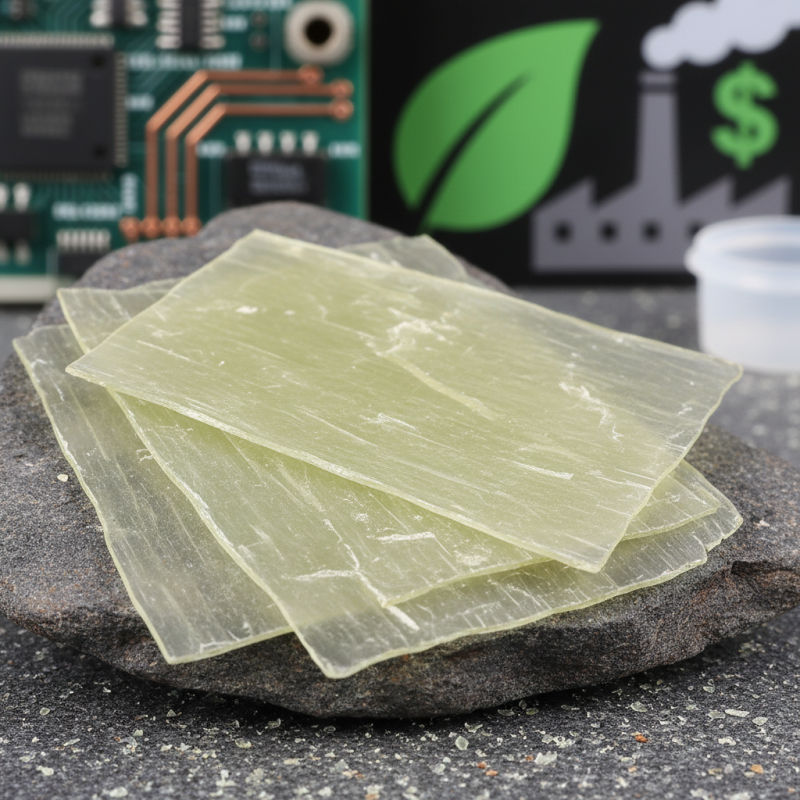
Identifying muscovite mica can be challenging. It often appears in large, flat sheets with a clear to pale yellow or green hue. Special attention is needed to differentiate it from other mica varieties. With its heat and electrical resistance, muscovite mica is crucial in electrical insulations and as a filler in plastics. Still, its extraction raises concerns about environmental impacts.
Despite these challenges, muscovite mica remains an essential resource. While market growth is promising, the industry must remember sustainable practices. Striking a balance between demand and responsible sourcing is vital. This reflection on the muscovite mica industry highlights both its potential and its environmental responsibilities.
Identifying Muscovite Mica: Key Characteristics to Look For
Muscovite mica is a common mineral recognized by its unique characteristics. It typically appears as thin, transparent sheets or flakes. The color ranges from colorless to shades of brown and green. One of its most notable features is its perfect cleavage, allowing it to split easily along flat surfaces. This makes muscovite easy to recognize.
When identifying muscovite, touch is key. Gently scratching the surface can reveal its smooth texture. Look for its glassy luster, which can enhance its attractiveness. The sheets can bend but do not break. This flexibility is striking. Experimenting with pieces can lead to a better understanding of their properties. It’s important to consider that sometimes what you think is muscovite may actually be another mica type.
**Tips**: To confirm if it’s muscovite, observe how it reacts in light. Hold the mica against natural sunlight; the color and reflection should be revealing. Always compare with known samples for accuracy. A magnifying glass can help spot tiny details that differentiate muscovite from others. Don’t rush the process; taking your time can make a significant difference in identification success.
Characteristics of Muscovite Mica and Its Common Uses
Distinguishing Muscovite Mica from Other Mica Variants
Muscovite mica is a unique mineral. It stands out among other mica variants due to its distinctive properties. This silicate mineral is often colorless or light-colored. It contains high levels of potassium, contributing to its characteristic shiny appearance. This shine is what makes it popular in various applications.
When identifying muscovite, observe its basal cleavage. This property allows it to be split into thin sheets easily. In contrast, phlogopite mica, another variant, tends to have a darker color and contains magnesium. Studies indicate that muscovite has a lower density compared to other micas, which can aid in its identification.
Tips: Always conduct a scratch test to see how easily the sheets break. Additionally, compare the luster with other micas under the same lighting conditions. Sometimes, even experienced collectors make mistakes. They might confuse muscovite with biotite, which is dark and not as lustrous. Remember, practice makes perfect in identifying these mineral variants.
Common Natural Occurrences of Muscovite Mica
Muscovite mica, a common mineral, can be found in various natural settings. While commonly associated with granite formations, it also appears in metamorphic rocks and pegmatites. The mineral often showcases a flaky structure that allows it to split into thin sheets. This unique characteristic makes it valuable in multiple industries.
Geological surveys indicate that muscovite is abundant in several regions, including parts of the United States, Brazil, and India. In these locations, mica deposits can yield large quantities, making them significant for mining activities. Reports suggest that global production of muscovite mica is approximately 120,000 metric tons annually. However, the extraction process has environmental implications that merit reflection. Can we balance economic gain with ecological preservation?
Uses of muscovite extend to electronics and cosmetics. In electronics, its insulating properties are crucial for capacitors and other devices. Meanwhile, the beauty industry utilizes it in makeup products for its shimmer. This multifaceted mineral plays a role in many sectors, yet its sourcing raises questions. Are we practicing sustainable mining? Is there a way to reduce harm while benefiting from muscovite? These considerations are becoming increasingly important as demand continues to grow.
Industrial Applications of Muscovite Mica in Various Sectors
Muscovite mica is widely used across various industrial sectors. Its unique properties make it valuable in several applications. The construction industry relies on muscovite for fire-resistant materials. A 2021 market report showed a projected growth rate of 5.2% annually due to rising safety standards. This mineral helps improve the durability of building materials.
In electronics, muscovite mica serves as a dielectric insulator. A study indicated that the global mica market in electronics reached $200 million in 2022. Its lightweight nature enhances performance in capacitors and other components. However, sourcing muscovite mica poses challenges. Reports highlight concerns over sustainable mining practices.
In cosmetics, muscovite mica adds shimmer and texture to products. The cosmetic industry's dependence on muscovite represents a $60 million market as of 2022. While its cosmetic uses are promising, scrutiny around ethical sourcing remains unsolved. Manufacturers face pressure to ensure transparency in their supply chains. This dilemma warrants careful consideration as industries evolve.
Health and Safety Considerations When Handling Muscovite Mica
When working with muscovite mica, proper health and safety measures are crucial. This mineral is often found in powdered form, which can lead to inhalation risks. The fine particles can easily disperse into the air, making it important to wear appropriate masks. Consider using N95 respirators to filter out harmful dust. Eye protection is also vital. Goggles can prevent fine particles from causing irritation.
Skin contact with muscovite mica may not cause serious harm, but prolonged exposure can lead to irritation. Wear gloves to minimize skin contact. While muscovite is generally considered safe, it’s essential to stay vigilant about cleanliness in your workspace. Keep the area well-ventilated to reduce dust accumulation.
After handling muscovite mica, wash your hands thoroughly. Avoid touching your face during the process. Cleaning surfaces with a damp cloth can help collect any leftover particles. A clean environment not only promotes safety but also boosts productivity. Always reassess your methods to find better practices. Balancing safety and efficiency is key.