Why is Green Building Insulation Essential for Sustainable Construction?
Green Building Insulation plays a vital role in sustainable construction. In recent years, the construction industry has shifted toward more eco-friendly practices. According to a report by McGraw Hill, 47% of builders prioritize sustainable building practices. Green Building Insulation contributes significantly to this trend by improving energy efficiency.
Effective insulation reduces energy consumption. Buildings account for nearly 39% of global carbon emissions, as outlined by the U.S. Green Building Council. Proper insulation not only lowers these emissions but also enhances indoor comfort. Unfortunately, many projects still overlook insulation quality. This oversight can lead to higher long-term energy costs and inefficiencies.
A study by the World Green Building Council reveals that better insulation can reduce heating and cooling needs by up to 40%. Yet, not all insulation materials are created equal. Choosing sustainable, high-performance options is essential. The industry faces challenges in educating stakeholders on the importance of Green Building Insulation. As construction evolves, reflecting on these issues will be crucial for creating greener spaces.
Understanding Green Building Insulation and Its Importance for Sustainability
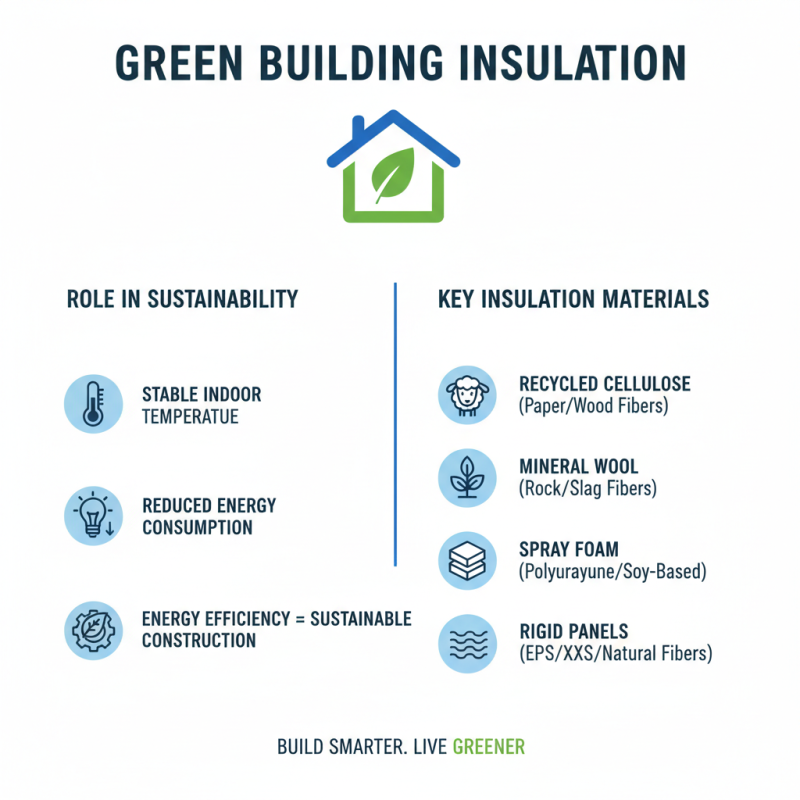
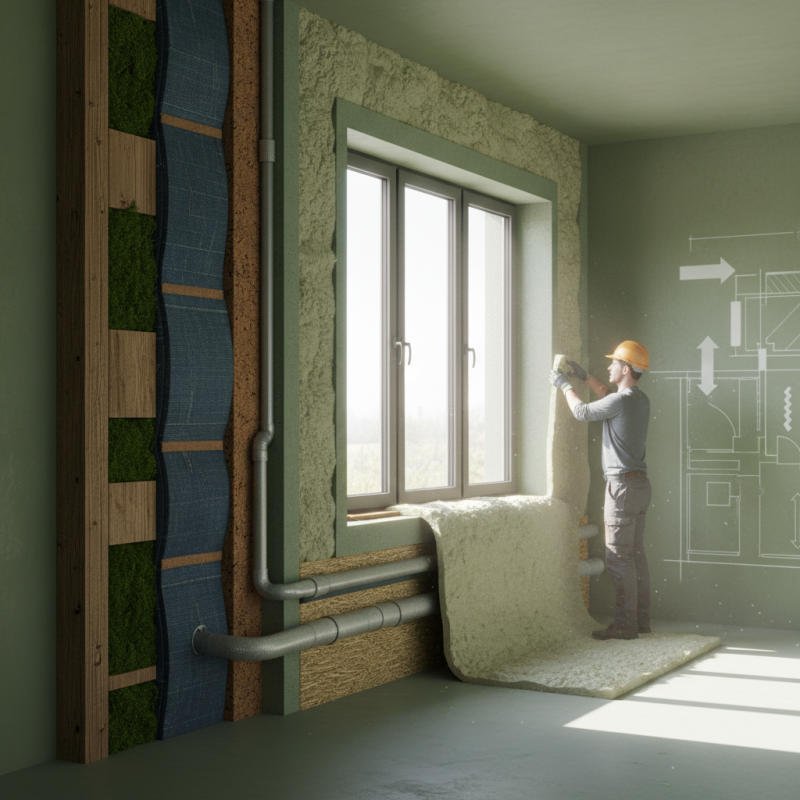
Green building insulation plays a vital role in sustainable construction. It reduces energy consumption, lowers carbon emissions, and enhances indoor comfort. Insulation materials help maintain temperature, which minimizes the need for heating and cooling systems. This leads to a significant reduction in energy costs.
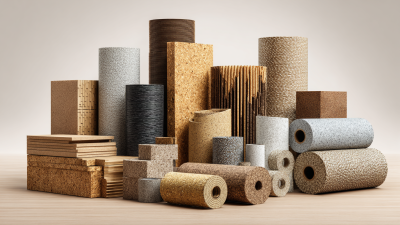
When choosing insulation materials, consider their environmental impact. Look for recycled or sustainably sourced options. These materials reduce waste and use fewer resources. Some common choices include cellulose, sheep’s wool, and hemp. Not every material is perfect. Some may have limited durability or performance in specific climates. It’s essential to evaluate their suitability for your project.
Tips: Always check for insulation performance ratings. Ensure they meet your building's energy efficiency goals. Layer insulation can also help improve thermal performance. Proper installation is critical, as gaps can lead to energy loss. Don't forget to reflect on your material choices regularly. This fosters continuous improvement in sustainable practices.
Green Building Insulation: Impact on Energy Efficiency
Key Materials Used in Green Building Insulation for Energy Efficiency
Insulation plays a crucial role in green building. It helps maintain a stable indoor temperature while reducing energy consumption. Achieving energy efficiency is essential for sustainable construction. Several key materials are commonly used in green building insulation.
Fiberglass is popular due to its low cost and effectiveness. It can be found in batts or rolls and fits standard framing. However, it can be irritating to handle and may not be the best option for everyone. Consider using protective gear while installing it.
Spray foam is another efficient choice. It expands to fill gaps, providing exceptional air sealing. Its high R-value leads to less energy loss. However, some may worry about its environmental impact. Make sure to choose eco-friendly versions.
Cellulose insulation, made from recycled paper, is gaining attention. It is often treated to be fire-resistant. This material can also help with soundproofing. It may settle over time, which can reduce its effectiveness. Regular inspection is necessary to ensure optimal performance.
Tip: Always assess your specific needs before choosing insulation. Energy audits can help determine the best solution for your space. It’s vital to balance cost, effectiveness, and environmental impact.
The Environmental Benefits of Using Sustainable Insulation in Construction
Sustainable insulation plays a crucial role in reducing a building's environmental impact.
According to the U.S. Green Building Council, buildings contribute to nearly 40% of global carbon emissions.
By using sustainable insulation materials, we can dramatically lower these figures. For example, cellulose insulation made from recycled paper can reduce energy costs by up to 20% over time.
Furthermore, sustainable insulation enhances indoor air quality.
Many traditional insulation materials release harmful VOCs into the air.
In contrast, natural fiber insulations, such as sheep's wool or cotton, have low or zero VOC emissions.
This is particularly important for occupants' health.
A study indicated that better indoor air quality can improve productivity and reduce absenteeism.
Despite these advantages, some builders hesitate to switch to sustainable insulation.
Higher initial costs can deter adoption. Yet, studies show that the long-term savings often outweigh these upfront expenses.
It’s essential to rethink these perceptions and emphasize the benefits of sustainable choices.
Ultimately, the construction industry must evolve to embrace eco-friendly insulation solutions for a healthier planet.
Regulatory Standards and Certifications for Green Building Insulation
Incorporating regulatory standards and certifications into green building insulation is crucial for sustainable construction. These guidelines ensure that insulation materials are effective and environmentally friendly. Certification programs assess a product's lifecycle and performance, promoting transparency in the construction industry. Many green building projects strive for certifications like LEED, which recognize efforts toward energy efficiency and sustainability.
Tip: Always check for certifications when selecting insulation materials. Look for trusted labels that indicate environmental compliance. This small step can significantly impact your project.
The challenge arises when builders focus solely on compliance. While meeting regulations is essential, it shouldn't be the only goal. Some materials may meet standards but lack long-term performance. Investigate the real-life durability and effectiveness of all insulation options. Small details matter.
Tip: Engage with local building authorities to stay updated on evolving standards. Knowing the latest regulations can prevent costly mistakes down the road. Consider the sustainability of sourcing materials too.
Why is Green Building Insulation Essential for Sustainable Construction?
| Criteria |
Importance |
Regulatory Standards |
Certifications |
| Energy Efficiency |
Reduces energy consumption and costs |
ASHRAE Standards 90.1 |
LEED Certification |
| Environmental Impact |
Minimizes negative impacts on the environment |
IECC (International Energy Conservation Code) |
BREEAM Certification |
| Indoor Air Quality |
Enhances comfort and health of occupants |
Green Buildings Act compliance |
GreenGuard Certification |
| Sustainability |
Promotes long-term resource conservation |
Local Building Codes |
SITES Certification |
| Cost-effectiveness |
Lowers operational costs |
Economic Instruments guidelines |
Energy Star Certification |
Challenges and Innovations in Green Building Insulation Technologies
Green building insulation plays a crucial role in sustainable construction.
However, it faces several challenges that must be addressed. One major issue is the availability of eco-friendly materials.
Many traditional insulation options are not sustainable. Finding alternatives that perform well and have minimal environmental impact is essential.
Innovative technologies are emerging in green insulation. For example, recycled materials are gaining traction. These products can offer good thermal resistance while reducing waste.
Another innovative approach is using natural fibers like hemp or wool. They provide effective insulation and reduce carbon footprint.
Tips: Consider exploring local sources for insulation materials. This can reduce transportation emissions.
Always research new technologies and practices. Innovation is key in building sustainability. Reflect on current insulation methods and their long-term effects.
This can guide you in making better choices.