
Natural beauty for your favorite space

How to Choose the Best Aluminum Porch Railing?

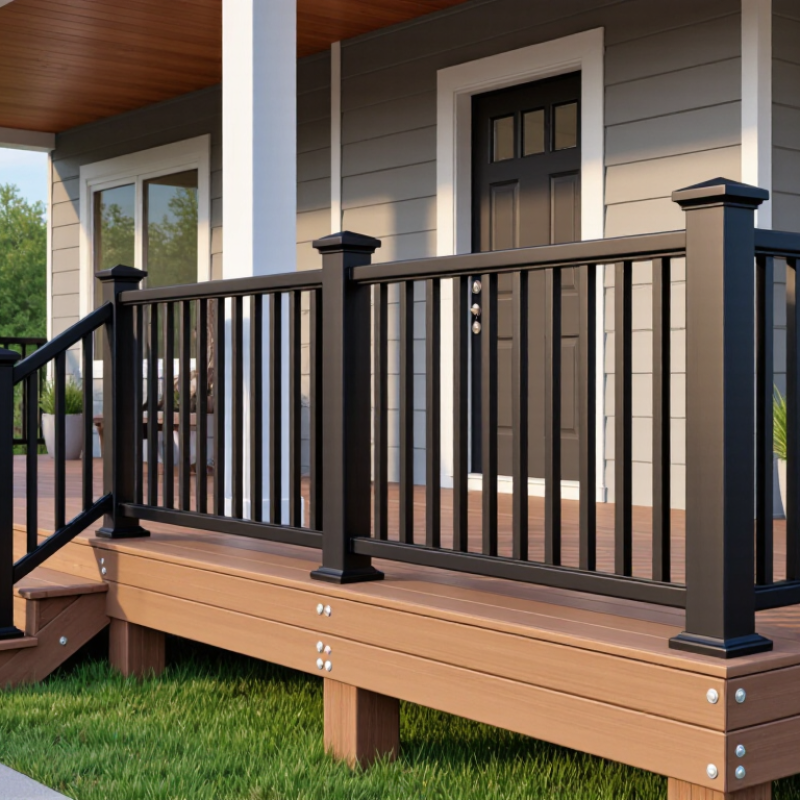
A porch railing does more than outline the edge of a deck. It gives people something steady to hold, frames the home’s entrance, and affects how open the porch feels. Aluminum Porch Railing is a popular option because it is relatively light, resists rust, and comes in styles that suit both traditional and modern homes. Still, the right choice depends on more than appearance.

Start with the porch itself. Measure the railing runs, note any stairs or uneven surfaces, and check where posts can be secured. A sleek panel may look simple in a catalog but feel crowded beside a narrow doorway. Consider the finish, too. Powder-coated aluminum is available in many colors, while dark finishes can show dust or scratches more clearly in bright sunlight. Small details matter.

Safety deserves close attention. Review the manufacturer’s installation instructions and verify applicable local building requirements, especially for railing height, openings, and stair sections. Requirements can vary by location. Do not assume every system fits every porch. Check the product’s load information, post spacing, fasteners, and compatibility with the existing structure. In coastal areas, ask about finish durability and suitable hardware for exposure to salt and moisture.

There is no perfect railing for every home. A budget-friendly kit may save time, but unusual corners or older porch framing can complicate installation. That is easy to overlook. This guide explains how to compare materials, styles, safety features, maintenance needs, and costs, so you can choose an aluminum railing that feels secure and looks right for your space.
How to Choose the Best Aluminum Porch Railing?

Determine Your Porch Railing Needs and Site Conditions

Before comparing aluminum porch railings, decide what the railing must do. Is it mainly a boundary, a steady handhold, or a way to keep children and pets away from an edge? The answer affects rail height, opening size, and where posts belong. If someone will use the rail for support, check that the top rail feels comfortable to grip and that the layout leaves a clear path. Measure twice. A few inches can change how a gate swings or how easily a chair passes.

Then study the porch itself. Measure each straight run, stair angle, and corner; older porches are not always square. Check what the posts will attach to, such as sound framing or a solid masonry surface. Loose boards, cracked concrete, and uneven steps can complicate installation. Small details matter. Note wind exposure, standing water, and salty air, since these conditions can affect finishes and maintenance needs. Take photos of the edges and connection points before planning the layout. A sketch helps, but it can miss a slope or an awkward doorway. Verify applicable local railing and stair requirements before ordering, and confirm the proposed mounting method suits the actual structure. Measurements are easy to rush; that is where I would pause and recheck.

Compare Aluminum Grades, Profiles, and Protective Finishes

Aluminum grade matters, but it does not tell the whole story. Alloy 6063 is widely used for railing because it extrudes into clean, detailed profiles and accepts finishes well. Alloy 6061 is generally stronger, though its strength alone cannot confirm that a railing is safe. Ask for the alloy specification and engineering details for the full assembly, including posts, fasteners, and connections. A grade number is not a load rating.

Profile shape and wall thickness affect stiffness. Compare rail height, post spacing, and how balusters attach, rather than judging a sample by appearance alone. A broad, hollow rail may feel sturdy yet flex if its walls are thin or supports are too far apart. Looks can mislead. Check the stated span limits and inspect corners and joints; these details often reveal more than a glossy showroom sample.

Protective finishes also deserve close attention. Powder coating provides color and a durable surface when preparation and application are done properly. Anodizing creates a protective oxide layer and a more metallic appearance. Near salt air or frequent moisture, ask about pretreatment, coating thickness, and compatible stainless-steel hardware. Pay attention to cut ends and scratches, where protection may be weaker. I would not choose by color alone; finish quality is difficult to judge from a small swatch, and some maintenance will still be needed.

Check Safety Features and Local Building Code Requirements

Before choosing an aluminum porch railing, check the building requirements adopted by your local authority. Rules can differ by location and project, so do not rely on a generic online measurement. Ask the building department whether a permit or inspection is required, and confirm minimum railing height, opening limits, and load expectations. Small details matter. A gap that looks harmless may still be too wide for local rules.

Inspect how the railing attaches to the porch, not just how it looks. Posts should connect securely to sound framing or a suitable structural surface; loose trim is not a reliable anchor. Check that joints feel firm, fasteners resist corrosion, and the top rail offers a steady grip. Measure openings with a tape, especially near stairs, where requirements may differ. Measure twice. Aluminum can resist rust, but poor installation can still lead to movement or failure. It is easy to focus on color and finish; I would treat those as secondary until the safety checks are clear. If the porch is older or its framing is hidden, ask a qualified local professional to assess the attachment before ordering.

How to Choose the Best Aluminum Porch Railing? — Check Safety Features and Local Building Code Requirements

Selection Check What to Look For Why It Matters Code and Verification Notes
Guardrail requirement Confirm whether the porch’s height above adjacent grade requires a guardrail. A guard helps reduce the risk of a fall from an elevated porch. The model IRC generally requires guards at open-sided walking surfaces more than 30 inches above the floor or grade below, measured within 36 inches horizontally. Confirm the locally adopted code and any exceptions.
Guard height Check the proposed rail height against the rules for the porch and building type. A rail that is too low may not provide the required fall protection. The model IRC commonly specifies a minimum 36-inch guard height for many residential applications. Other building codes, locations, and situations may require different heights.
Opening size Look for baluster spacing and other openings that meet the applicable opening limits. Properly sized openings help reduce the risk of a child slipping through or becoming trapped. The model IRC generally uses a 4-inch sphere test for guard openings, with separate provisions for certain stair openings. Verify the requirements for the specific installation.
Stair handrail If the porch includes stairs, check whether a separate graspable handrail is needed and provided. A handrail gives people support while ascending or descending stairs. The model IRC generally places stair handrails 34 to 38 inches above stair nosings. Handrail requirements, measurement details, and exceptions depend on the adopted code.
Strength and attachments Choose a complete railing system with documented structural performance and installation instructions for the intended surface. Posts, brackets, fasteners, and the porch structure all contribute to the railing’s performance. Loads and attachment details are governed by the locally adopted building code and site conditions. Check that the porch framing and specified fasteners are suitable; do not rely on appearance alone.
Infill and climbability Review the layout of balusters, panels, and any horizontal members, especially where children may use the porch. Infill design affects fall protection and may create footholds. Opening limits and any restrictions on climbable designs vary by code and application. Ask the local building department or a qualified professional to review the layout.
Finish and corrosion resistance Check the finish specification and care instructions for the local climate and exposure, including coastal or de-icing-salt conditions. Aluminum does not rust like iron or steel, but its finish and connected metals can still be affected by exposure and maintenance. Follow the system manufacturer’s published cleaning and installation instructions. Use compatible fasteners and fittings, particularly where dissimilar metals or corrosive conditions are present.
Stairs, landings, and transitions Check rail continuity, post locations, stair connections, and changes in level. Gaps or awkward transitions can make a railing harder to use and may leave areas inadequately protected. Stair and landing rules can differ from porch guard rules. Confirm the applicable handrail, guard, and termination requirements for each section.
Permits and approval Ask whether a permit, plan review, or inspection is required before work begins. Early review can identify local requirements before materials are purchased or installed. Permit rules and adopted code editions vary by jurisdiction. Check with the local building department and retain product specifications and installation records.

Important: Code figures above are examples from model-code provisions, not a guarantee of local compliance. Requirements can change with the adopted code edition, amendments, building type, and site conditions. Confirm the current rules with your local building department before selecting or installing a railing.

Select a Style, Height, and Configuration for Your Porch

Choose an aluminum porch railing by matching its style to your home and its layout to how you use the space. Slim vertical pickets suit traditional façades and keep the view open; broader panels create a more defined edge. For a narrow porch, a simple straight run can feel less crowded. Corners, steps, and gates need separate planning. Measure each section, including stair angles, before ordering.

Height is a safety decision, not just a design choice. The 2021 International Residential Code, published by the International Code Council, specifies guards at least 36 inches high for many residential walking surfaces more than 30 inches above grade. It also limits openings so a 4-inch sphere cannot pass through. Local adoption and conditions can vary, so confirm requirements with your building department. A tape measure can prevent an expensive mismatch.

Tips: Mark posts and stair transitions with chalk before settling on a configuration. Check that rails won’t block doors or outdoor furniture. Choose a finish suited to your climate, and ask how it should be cleaned. One overlooked corner can spoil an otherwise careful layout.

How to Choose the Best Aluminum Porch Railing

Typical U.S. code reference heights for porch guards

A 36-inch guard height is a common residential-code reference, while 42 inches is a common reference in other building-code contexts. Requirements vary by location, building type, and porch conditions, so confirm local code before choosing a railing height. Measure from the walking surface to the top of the railing.

Evaluate Installation Methods, Maintenance, and Long-Term Cost

A good aluminum porch railing starts with its anchors, not its finish. Surface-mounted posts fasten to the deck surface; fascia-mounted posts attach at the rim joist. Either method can fail if fasteners miss sound framing. Check the manufacturer’s installation details, post spacing, and local requirements before comparing quotes. Ask whether labor includes blocking, flashing, and repair of damaged trim. These details change the real price. A small gap can invite water.

For long-term cost, compare coating quality, hardware, and upkeep—not just the initial estimate. Wash away salt and dirt with mild soap, then inspect joints and fasteners each year. Replace corroded screws promptly; mixed metals can accelerate corrosion. The International Aluminium Institute reports that recycled aluminum uses about 95% less energy than primary aluminum production, a figure also cited by the Aluminum Association in Aluminum: The Element of Sustainability. That is an environmental measure, not a promise of lower household costs. Still, recyclable material and low routine upkeep can strengthen the lifecycle case. Ask for coating documentation and a written warranty, and check what it excludes. One caveat: a cheaper system may cost more if its mounting needs extra reinforcement.