
Natural beauty for your favorite space
How to Buy a Vintage Tourist Car in 2026?
Buying a Vintage Tourist Car in 2026 takes more than spotting charming paintwork and a sun-faded travel badge. The phrase “tourist car” can describe different vehicles across markets, so confirm the model, intended use, and documentation before comparing prices. A roomy rear seat, folding roof, or luggage rack may look perfect for a scenic drive. Rust beneath the floor mats can change the whole calculation.
Industry data can add context, but it cannot inspect an individual car. S&P Global Mobility reported that the average age of U.S. light vehicles reached 12.6 years in 2024, reflecting a longer-lasting vehicle fleet—not a valuation for vintage cars. Hagerty’s Market Rating and annual Bull Market List offer additional collector-market signals, yet neither should replace recent comparable sales or an independent mechanical inspection. Treat asking prices as clues, not proof. That distinction matters.
Before making an offer, check the vehicle’s identity and ownership records, inspect the chassis and body, and arrange a specialist assessment. Ask for cold-start evidence, maintenance invoices, and close photographs of vulnerable areas. A shiny dashboard can still conceal costly neglect. I would not insist every buyer needs a concours-level report; that can make an honest, usable car feel unreachable. Still, skipping inspection is a gamble. Compare likely repair costs, parts availability, storage needs, and local registration requirements against your budget. A careful purchase may mean choosing sound brakes and a documented engine over rare accessories. The best car is not always the prettiest one.
Define What Qualifies as a Vintage Tourist Car
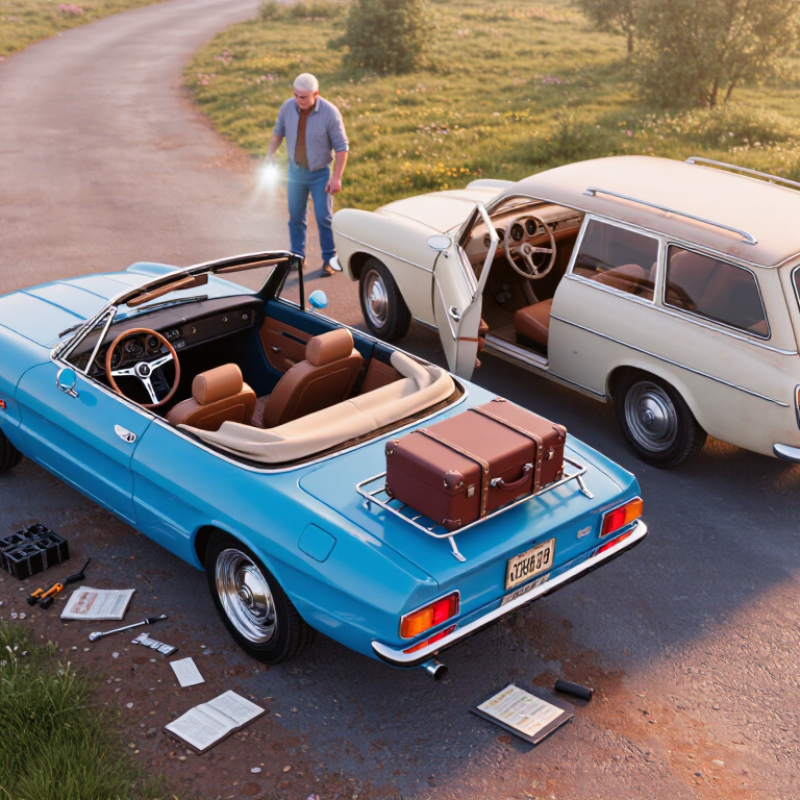
A “vintage tourist car” is not a universally fixed category. In many collector contexts, “vintage” points to an early motoring period. Dates differ by country and specialist club. The body style matters too. A traditional touring car usually carries several passengers and has an open or folding-top cabin. It also offers room for modest luggage and was built for outings, not merely display. That distinction matters.
For a 2026 purchase, judge the car by evidence, not an advertisement’s label. Check its build year, chassis and body records, and whether major components fit its period. Ask which parts are original, replaced, or recreated. A tidy repaint can hide uneven repairs beneath the doors. Inspect the timber frame, floor, brakes, steering, cooling system, and top mechanism with a qualified mechanic. Cold starts and short test drives reveal useful clues, but cannot replace a careful inspection. Bring a notebook. A genuine touring layout may still feel uncomfortable, slow, or difficult to maintain on modern trips. Decide whether you want historical character, usable touring ability, or both before comparing cars. The boundary can remain uncertain, especially when a car has been substantially modified.
How to Buy a Vintage Tourist Car in 2026: What Qualifies?
This chart compares age thresholds used in selected vehicle rules. They serve different legal purposes and do not create one universal definition of a “vintage tourist car.”
For example, the UK’s historic-vehicle tax class generally starts at 40 years, France’s collection-vehicle registration requires at least 30 years, Germany’s historic H-plate requires at least 30 years and a well-preserved condition, and the U.S. 25-year rule concerns import compliance—not vintage status. Check the current rules where you plan to buy, register, and tour the car.
Set Your Budget and Identify the Right Model
Set a ceiling before browsing, then divide it into purchase price, inspection, transport, repairs, and storage. Keep a separate repair reserve; a clean photograph cannot reveal a weak gearbox or hidden corrosion. AAA’s 2024 Your Driving Costs report estimates annual ownership costs of $12,297 for a new vehicle driven 15,000 miles. That figure does not represent vintage-car expenses, but it shows why the purchase price is only part of the budget.
Choose a model for the trips you will actually take. A compact two-seat car may suit short scenic drives, while longer tours call for supportive seats, luggage space, weather protection, and reliable cooling. Check that parts and knowledgeable mechanics are available near you. A rare model can be tempting, but scarcity may mean longer waits and higher repair bills. I would rather buy a sound, usable car than chase an ideal specification.
Before making an offer, arrange an independent inspection and ask for service records. Have the inspector check the chassis, brakes, steering, tires, and signs of past repairs. Get written estimates for any major work, then revise your budget. It may feel overly cautious. That is still cheaper than discovering a costly problem on the first long drive.
Research Provenance, Market Value, and Legal Requirements
Before viewing a vintage tourist car, ask for its ownership history, registration papers, service invoices, and restoration photographs. Match the chassis or identification number on the car to every available document. Check dates and names carefully. Small inconsistencies matter. A missing invoice is not proof of a problem, but unexplained gaps deserve questions. Arrange an inspection with a qualified mechanic who has experience with older vehicles. Ask them to examine the frame, brakes, steering, engine, and signs of corrosion.
Estimate market value from recent sales of comparable cars, not just asking prices. Compare age, body style, mechanical condition, originality, and documented repairs. A tidy interior can hide expensive faults underneath. Get a written repair estimate before negotiating. Also budget for storage, specialist servicing, transport, and insurance. Values can be uncertain. That is worth admitting.
Check legal requirements in the place where you plan to register and use the car. Rules may cover vehicle age, roadworthiness tests, emissions, lighting, historic classification, and insurance. Requirements can differ by region and may change. Contact the relevant registration authority or a qualified local adviser, and request current guidance in writing. If the car has crossed borders, verify its import and ownership records before paying. Do not rely on a seller’s assurance alone.
Inspect the Car’s Condition and Verify Its History
Inspect a vintage touring car in daylight, when paint differences and uneven panels are easier to spot. Look beneath the carpets and around door sills for dampness, bubbling metal, or fresh underseal that may conceal repairs. Check whether doors close evenly and whether the steering feels loose during a cautious test drive. Old tires can look sound while their sidewalls are cracked, so read the date codes and inspect the tread. Small details matter.
Ask for a cold start. Listen for persistent knocking, watch the exhaust, and check that warning lights go out as expected. A clean engine bay is not proof of good maintenance. Request service invoices, inspection records, and earlier ownership documents, then compare dates, mileage, and vehicle identification numbers for consistency. Gaps do not automatically mean trouble, but they deserve clear answers. If the seller permits, have an independent mechanic inspect the underside, brakes, suspension, and signs of structural repair. No inspection can reveal everything. I would keep some budget aside for surprises, even when the car appears carefully maintained.
How to Buy a Vintage Tourist Car in 2026? - Inspect the Car’s Condition and Verify Its History
| Inspection Area | What to Check | How to Verify | Reassuring Signs | Warning Signs |
|---|---|---|---|---|
| Identity and vehicle documents | Check the chassis or frame number, identification plates, and the numbers recorded on the ownership documents. | Compare the car with the original or current documents and ask the relevant vehicle authority how records for older vehicles are handled. | Identifiers are legible and consistent with the documents; any historical numbering differences are supported by official records. | Altered, missing, or unreadable identifiers; unexplained mismatches; or incomplete ownership paperwork. |
| Ownership and title history | Review the seller’s right to sell, registration history, and any recorded title restrictions or liens. | Use the official vehicle-record service or registry for the jurisdiction, where available, and confirm the seller’s identity and authority. | The seller and documents agree, and official records do not show unresolved restrictions. | Pressure to pay before documents are checked, unclear ownership, or an unresolved lien or title issue. |
| Service and accident history | Look for dated service invoices, inspection records, restoration photographs, and evidence of major repairs or accident damage. | Arrange records in date order and compare mileage, registration details, and descriptions of work across documents. | Records form a plausible timeline and support the seller’s description of the car. | Conflicting dates or mileage, undocumented major repairs, or gaps the seller cannot explain. Missing records alone do not prove a problem. |
| Frame, structure, and corrosion | Inspect the frame or chassis, floor, sills, body supports, suspension mounts, and other load-bearing areas for corrosion or damage. | View the underside in good light, ideally on a lift, and have a qualified mechanic assess suspect areas. | No visible structural perforation or poorly repaired damage; repairs, if present, are documented and professionally assessed. | Soft or perforated metal, fresh coating that hides the surface, distorted structure, or questionable welds near load-bearing points. |
| Engine and cooling system | Check for leaks, unusual noises, fluid condition, overheating, and persistent exhaust smoke. Ask to see a cold start. | Start the engine when cold, observe it at idle and operating temperature, and request a mechanic’s assessment if symptoms appear. | Starts and runs consistently, reaches a stable operating temperature, and shows no significant unexplained leaks or persistent smoke. | Overheating, knocking, heavy persistent smoke, contaminated fluids, or a seller who will not allow a cold start. |
| Transmission, steering, brakes, and suspension | Check gear engagement, clutch operation, steering play, brake response, and suspension noises or movement. | Have a qualified mechanic inspect these systems; road-test only when the car is roadworthy, insured, and legally permitted to be driven. | Controls operate consistently, with no severe pulling, excessive play, or unexplained mechanical noises. | Brake fluid leaks, ineffective braking, unstable steering, gears that jump out, or signs of unsafe repairs. |
| Electrical system, lights, and tires | Test the lights, indicators, instruments, charging system, and other fitted electrical equipment. Check tire condition, visible damage, and date markings where present. | Test each function and compare tire condition and tread with local road-safety requirements; ask a tire professional about age-related concerns. | Essential equipment works, wiring is secure, and tires have no visible cracking or damage and meet local requirements. | Exposed or improvised wiring, inoperative safety lights, damaged tires, or tires that fail local requirements. |
| Independent pre-purchase inspection | Assess the car’s overall safety, mechanical condition, repair needs, and consistency with its description. | Choose an independent professional familiar with older vehicles and request a written report before agreeing to buy. | The report identifies defects clearly and distinguishes urgent safety repairs from routine maintenance. | The seller refuses a reasonable inspection or discourages verification of the car’s identity and history. |
Requirements for titles, inspections, roadworthiness, and vehicle identification vary by jurisdiction. Confirm local rules before purchase.
Negotiate the Purchase and Arrange Ownership Transfer
Before negotiating, inspect the car in daylight and ask for a cold start. Note the engine number, chassis details, rust around the floor, and any oil spots beneath the car. Compare identification numbers with the ownership papers. Ask for service receipts and a clear account of previous repairs; missing records should affect the price, not just your confidence. A specialist inspection may cost less than correcting hidden brake or cooling problems. Vintage cars have quirks. Some are expensive ones.
Agree on the price only after recording what is included, such as spare parts, tools, or recent repairs. Put the sale terms in writing, including the payment schedule, handover date, and what happens if a document cannot be verified. Before paying in full, confirm that the seller is the registered owner and that the car can be transferred under local requirements. Use a payment method that leaves a record, and get a signed receipt. Then complete the ownership transfer with the relevant vehicle authority, arrange insurance, and keep copies of every document. Requirements differ by location, so check them before the handover. It is easy to rush this part. I would rather delay a pleasant drive than discover a paperwork problem at the registration counter.
