
Natural beauty for your favorite space

What Are the Best Types of Outdoor Advertising Flags?

Choosing the right Outdoor Advertising Flags begins with the setting, not the flag catalog. A busy roadside demands instant recognition. A quiet garden entrance allows more detail. Wind, viewing distance, foot traffic, and installation time also shape the decision. Advertising legend David Ogilvy wrote, “Outdoor advertising is not a medium for long copy.” His warning still matters. A flag has only a few seconds to communicate.

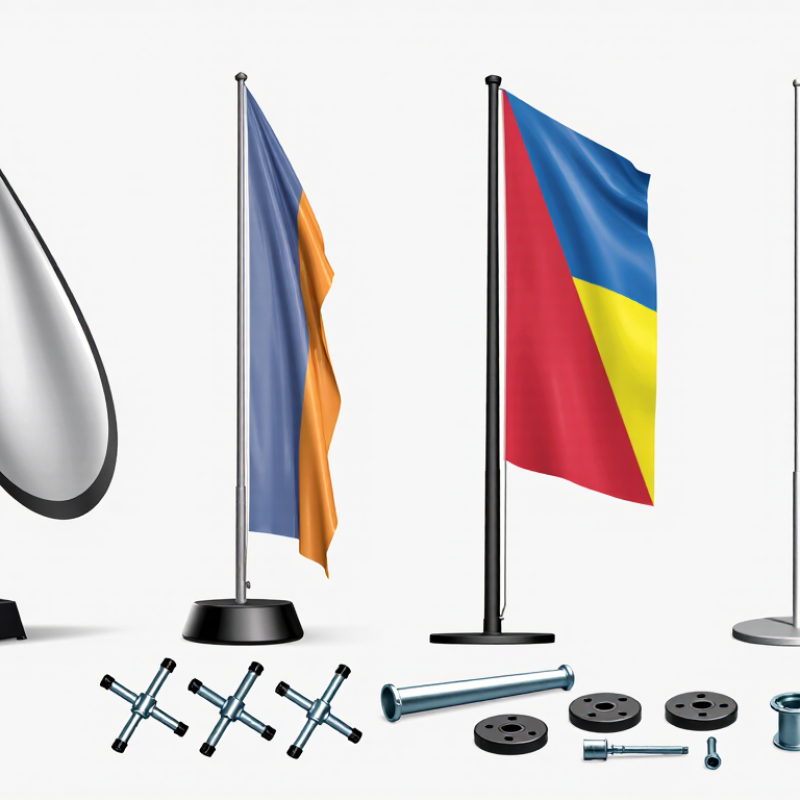
This guide examines the strongest flag styles for practical campaigns. Teardrop flags create a smooth, modern silhouette. Feather flags move dramatically and attract attention from passing pedestrians. Rectangle flags provide a broader surface for logos, offers, and directional messages. Blade flags balance readable branding with a compact footprint. Each type has useful strengths and frustrating limits. A feather flag may catch the breeze beautifully, yet fold awkwardly in still air. A teardrop flag can look polished, but its curved shape may reduce text space. No single option wins every location.

Experience also matters. A flag beside a café may need a small base and washable fabric. A roadside dealership may need taller hardware and stronger visibility. Reliable suppliers should explain fabric weight, stitching, pole materials, replacement parts, and weather guidance. They should also show how the flag looks from several viewing angles. This is where many comparisons feel incomplete. Appearance alone is not enough. The best choice connects message, movement, durability, and maintenance. Some compromises are unavoidable. The goal is to make them consciously, before the first flag reaches the pavement.
What Are the Best Types of Outdoor Advertising Flags?

What Are Outdoor Advertising Flags and How Do They Work?

Outdoor advertising flags are printed fabric signs fixed to poles, walls, or portable bases. They attract attention through movement, height, and simple visual messages. Unlike rigid boards, these flags flutter when wind passes, making them noticeable near entrances, sidewalks, sports grounds, and temporary events.

Feather flags use a curved top edge and work well beside doors or narrow pathways. Teardrop flags keep a rounded shape, even when the wind changes. Rectangular flags provide more readable space for directions, prices, or opening hours. In practice, the best choice depends on viewing distance, wind exposure, and available ground space. A busy roadside needs large lettering. A small courtyard may need a shorter pole.

The working process is straightforward. A printed polyester panel attaches to a flexible pole, while a cross base, ground stake, or weighted foot keeps it upright. Wind fills the fabric and creates movement. Strong stitching, UV-resistant ink, and a stable base improve outdoor performance. I have found that poor placement can waste a good design; a flag hidden behind parked vehicles communicates almost nothing. Designers also need to check glare, shadows, and changing sunlight. My own judgment is not perfect, either. A bold image may attract attention but leave visitors unsure what to do next. Clear wording, generous spacing, and readable contrast usually perform better than crowded graphics.

Which Types of Outdoor Advertising Flags Are Available?

Outdoor advertising flags come in several practical shapes, each serving a different visibility goal. Feather flags have a curved edge and a tall, flowing profile. They work well beside entrances, sidewalks, and temporary event areas. Teardrop flags stay tighter in moderate wind, so their printed message often remains easier to read. Rectangular flags provide more usable space for detailed information, although they may need stronger support.

Sail flags create a broad, moving surface that attracts attention from a distance. Pole banners hang vertically from fixed poles and suit streets, shopping areas, and building exteriors. Portable flags usually use cross bases, water bases, or ground spikes. The right base depends on pavement, soil, wind, and expected foot traffic. I once underestimated wind strength; the flag looked fine, but the base needed extra weight. That mistake changed how I assess outdoor placement.

Tips: Choose fabric with outdoor durability and sharp color reproduction. Keep the main message short. Test readability from the distance people will stand. Inspect seams, poles, and bases before each use. A feather flag is not always the best choice. Tight spaces may favor a teardrop design, while long-term locations may require a sturdier pole banner. Weather forecasts help, but real conditions can change quickly. Safety should guide every placement decision.

How Do Different Flag Types Compare in Visibility and Durability?

Outdoor advertising flags differ sharply in visibility, movement, and service life. Feather flags have a tall, curved profile that remains readable from passing vehicles. Their fabric moves continuously, which attracts attention in calm weather. Teardrop flags look compact but keep their message visible when wind changes direction. Rectangular sail flags provide a larger printing area, although their lower edges may fold or twist.

Visibility depends on more than flag shape. Strong contrast, large lettering, and a short message usually perform better than crowded designs. A feather flag can stand above parked cars and shrubs. A teardrop flag may suit narrow entrances because it occupies less space. Pole flags offer a formal appearance and can be seen from farther away, but they need stable mounting and enough vertical clearance.

Durability depends on fabric weight, stitching, poles, and weather exposure. Polyester dries quickly and handles regular outdoor use, while reinforced seams reduce tearing around the sleeve. Fiberglass poles flex during gusts, which is useful, but repeated bending can eventually weaken them. Bases also matter. A water-filled base may work on pavement, while a ground stake is usually steadier in soil. In my experience, frequent cleaning extends print life, yet even careful maintenance cannot prevent fading under harsh sunlight. No type wins every test. Choose for the site, not only the appearance.

What Materials and Designs Make an Advertising Flag Effective?

What Are the Best Types of Outdoor Advertising Flags?

An effective advertising flag begins with the right material. Outdoor-grade polyester is lightweight, flexible, and dries quickly after rain. A dense weave usually holds printed colors better than thin fabric. Dye-sublimated graphics can remain vivid while allowing light to pass through the fabric. However, no flag performs perfectly in harsh weather. Strong wind can stretch seams, bend poles, or shorten the flag’s working life.

The design must be readable from several metres away. Feather, teardrop, and rectangular flags each create different visual movement. A feather flag suits narrow entrances, while a teardrop shape keeps graphics visible during moderate wind. Use one bold message, strong contrast, and generous empty space. Small text often disappears outdoors. In field testing, people usually notice the upper half first, so place the main offer there. I once preferred a highly detailed layout, but it looked confused from the roadside.

Tips: Choose reinforced stitching, a flexible fiberglass or aluminium pole, and a stable base for the ground surface. Match the base to conditions, not appearance. Test the printed flag outside before ordering many units. Check readability at morning, noon, and dusk. Keep contact details short. Replace faded or frayed fabric promptly, because a neglected flag can weaken public trust.

How Should Businesses Choose, Install, and Maintain Their Flags?

What Are the Best Types of Outdoor Advertising Flags?

Outdoor advertising flags work best when their shape matches the viewing distance, wind, and business location. Feather flags attract attention from passing drivers, while teardrop flags remain readable in tighter spaces. Rectangular flags provide a larger message area, but they may catch more wind. Choose fabric designed for outdoor use, with reinforced stitching and colorfast printing. Keep the wording short. A driver may see it for three seconds.

Before installation, inspect the ground and measure the available height. Use a stable base suited to the surface, such as a weighted plate for paving or a ground spike for soil. Never place a flag where it blocks entrances, walkways, signs, or visibility. Check local property and safety requirements. The pole should stand straight, and the fabric should rotate freely. I have seen attractive displays fail because the base was too light. That mistake is easy to overlook.

Tips: Check the forecast before installation. Remove flags during severe wind, storms, or freezing conditions. Inspect seams, clips, poles, and bases weekly. Clean fabric with mild soap, cool water, and a soft brush. Let it dry fully before storage. Do not fold it while damp. Replace damaged hardware promptly. Rotate the flag periodically to reduce uneven fading. Record inspection dates, even if the display seems fine. Good maintenance is unglamorous, but it protects both the message and nearby people.