
Natural beauty for your favorite space
10 Best Glass Chamfering Machines for Sale
Choosing the right Glass Chamfering Machine can shape edge quality, production speed, and long-term operating costs. A clean chamfer is not merely attractive. It helps reduce sharp edges, improve handling, and support consistent glass fabrication.
This guide reviews ten machines selected for practical workshop and industrial needs. The comparison considers chamfer width, spindle performance, cooling systems, automation, footprint, and maintenance access. Experience shows that a powerful motor alone does not guarantee reliable results. Water flow, wheel alignment, and operator control matter just as much.
Small details often decide performance.
Some machines suit custom fabricators processing varied glass sizes. Others are better for continuous production, where stable feed speed and repeatable settings are essential. We also consider frame construction, control-panel usability, replacement-part availability, and the manufacturer’s technical support. These points can be easy to overlook during a quick purchase decision.
No machine is perfect. A faster model may require more floor space, while a compact unit may limit edge thickness or working width. Price also deserves careful interpretation. The cheapest option may create higher costs through slower adjustments, consumable wear, or frequent downtime.
The recommendations are based on published specifications, practical operating considerations, and common glass-processing requirements. Buyers should still verify local power conditions, glass dimensions, cooling arrangements, and supplier service terms before ordering. A thoughtful choice begins with honest production needs, not impressive marketing language.
What Is a Glass Chamfering Machine and How Does It Work?
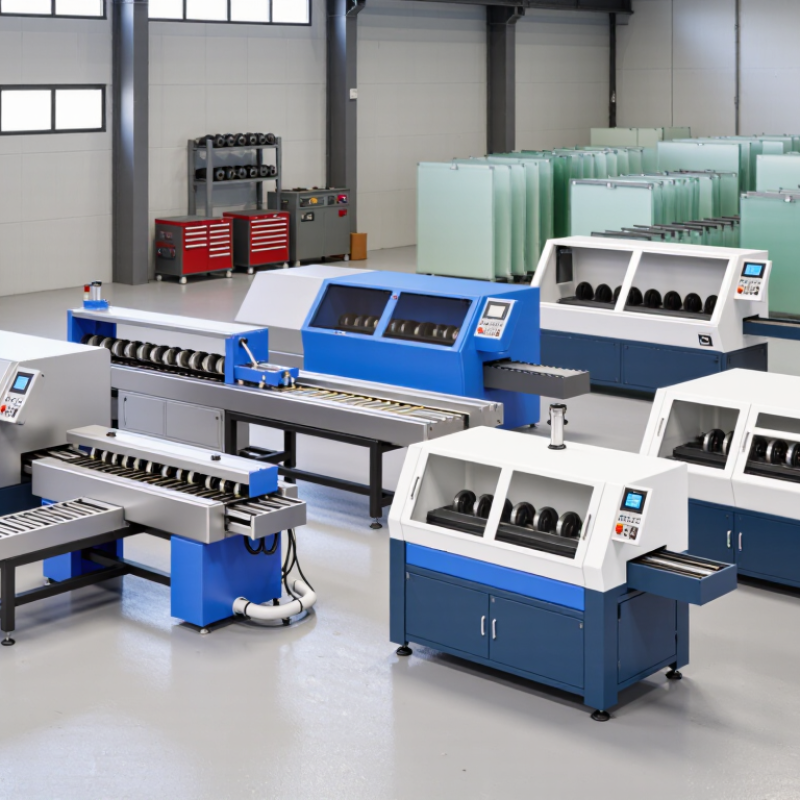
A glass chamfering machine creates an angled, polished edge on a glass panel. This edge improves handling, reduces sharp corners, and can add a refined visual detail. The machine usually combines a conveyor, adjustable guides, diamond grinding wheels, and a water-cooling system. Some models process one edge, while others chamfer several edges in one pass.
The operator places the panel on the conveyor and aligns it against the guide rail. As the glass moves forward, a rotating diamond wheel removes material at a controlled angle. Water cools the wheel and carries away fine glass particles. Feed speed, wheel pressure, and glass thickness must match carefully. Excessive pressure can cause chips. Too little pressure may leave an uneven bevel. Small defects matter.
In practical workshop use, measuring the chamfer with a gauge helps confirm consistency. A visual inspection under bright light can reveal scratches or dull sections. Buyers comparing machines for sale should check working thickness, chamfer width, adjustment range, maintenance access, and coolant control. Safety guarding and emergency stops also deserve close attention. A machine that works well for thin decorative glass may struggle with thick architectural panels. Even experienced operators sometimes underestimate setup time. Test samples are worth requesting before purchase.
Key Features to Compare When Choosing a Glass Chamfering Machine
When comparing the 10 best glass chamfering machines for sale, look beyond the advertised motor power. A reliable machine should match your glass thickness, edge angle, and daily production volume. Check whether it handles thin panels without vibration. Uneven pressure can leave bright marks or small chips.
The grinding wheel is a critical feature. Diamond wheels usually provide consistent results, but their size and replacement cost matter. Adjustable feed speed helps operators control delicate glass and thicker panels. A stable water-cooling system should reduce heat, slurry buildup, and premature wheel wear. Measure the finished edge with a gauge, not only by appearance. Visual checks can miss slight angle errors.
Tips: Ask for a test on your own glass sample. Watch the feeding path closely. Confirm the machine’s minimum and maximum thickness. Inspect guards, emergency stops, and drainage access before purchase. Automatic controls save time, but they cannot replace careful setup. In my experience, easy maintenance often matters more than impressive specifications. Still, performance claims should be verified under real workshop conditions. A machine may run smoothly during a demonstration yet struggle with irregular panel sizes. Leave space for cleaning, wheel changes, and operator movement. The best choice is not always the fastest machine.
10 Best Glass Chamfering Machines for Sale - Key Features to Compare When Choosing a Glass Chamfering Machine
| No. | Machine Configuration | Recommended Use | Glass Thickness | Minimum Glass Size | Chamfer Angle | Processing Speed | Spindle / Wheel | Positioning Accuracy | Installed Power | Key Features to Compare | Best Fit |
|---|---|---|---|---|---|---|---|---|---|---|---|
| 1 | Automatic Straight-Line Chamfering Machine | High-volume flat glass production | 3–19 mm | 40 × 40 mm | 45° | 0.5–6 m/min | Diamond and polishing wheels | ±0.2 mm | 18–30 kW | Continuous conveyor feed, automatic glass thickness adjustment, water cooling, and separate roughing and polishing stages. | Commercial glass processors needing consistent edge quality and high throughput. |
| 2 | CNC Four-Axis Glass Chamfering Center | Complex shapes and custom orders | 4–25 mm | 80 × 80 mm | 0–45° programmable | 0.3–5 m/min | Motorized diamond spindle | ±0.1 mm | 15–25 kW | CNC interpolation, programmable chamfer profiles, automatic tool compensation, and digital job storage. | Fabricators producing irregular panels, architectural parts, and repeatable custom designs. |
| 3 | Double-Sided Edge Chamfering Line | Large-volume parallel processing | 4–19 mm | 120 × 120 mm | 45° | 1–8 m/min | Opposing diamond wheel groups | ±0.2 mm | 30–50 kW | Processes two opposite edges in one pass, automatic centering, synchronized conveyors, and closed-loop coolant filtration. | Large factories where cycle time and uniformity are more important than compact size. |
| 4 | Vertical Glass Chamfering Machine | Space-saving workshop production | 3–15 mm | 60 × 60 mm | 45° | 0.5–5 m/min | Water-cooled diamond wheels | ±0.25 mm | 10–18 kW | Small floor footprint, vertical support system, adjustable pressure rollers, and accessible wheel replacement. | Small and medium workshops with limited floor space and mixed production requirements. |
| 5 | Heavy-Duty Thick-Glass Chamfering Machine | Furniture, doors, and architectural glass | 8–40 mm | 100 × 100 mm | 45° | 0.2–3 m/min | Large-diameter diamond wheels | ±0.3 mm | 25–45 kW | Reinforced frame, high-load conveyor, powerful coolant circulation, and adjustable pressure for thick panels. | Processors handling laminated, thick, or oversized glass that requires stable support. |
| 6 | Compact Manual-Feed Chamfering Machine | Low-volume and prototype work | 3–12 mm | 50 × 50 mm | 45° fixed | 0.2–2 m/min | Single or twin diamond wheels | ±0.5 mm | 3–8 kW | Manual loading, simple controls, compact footprint, low installation cost, and quick wheel access. | Repair shops, training facilities, and businesses with occasional chamfering needs. |
| 7 | Automatic Variable-Angle Chamfering Machine | Decorative and design-oriented glass | 4–19 mm | 70 × 70 mm | 5–60° adjustable | 0.3–4 m/min | Tilting diamond spindle | ±0.2 mm | 12–22 kW | Servo-controlled angle adjustment, recipe management, automatic edge compensation, and polishing-wheel integration. | Specialty fabricators producing mirrors, display panels, and decorative bevels. |
| 8 | Laminated-Glass Chamfering Machine | Safety and laminated glass processing | 6–25 mm | 100 × 100 mm | 45° | 0.3–3.5 m/min | Low-vibration diamond wheels | ±0.3 mm | 18–32 kW | Controlled feed pressure, vibration reduction, enhanced coolant delivery, and support for interlayer-sensitive processing. | Safety-glass processors seeking clean edges while minimizing chipping and interlayer damage. |
| 9 | CNC Chamfering and Polishing Combination Machine | Finished edges in one production cycle | 3–19 mm | 60 × 60 mm | 0–45° programmable | 0.3–4 m/min | Diamond grinding and resin polishing wheels | ±0.15 mm | 16–28 kW | Integrated grinding and polishing, automatic wheel sequencing, CNC control, and reduced handling between operations. | Workshops that need production-ready edges without transferring panels between machines. |
| 10 | Robotic Glass Chamfering Cell | Flexible automated production | 4–25 mm | 100 × 100 mm | 0–45° programmable | Dependent on robot path | Servo spindle with automatic tool change | ±0.2 mm | 20–40 kW | Robotic handling, vision or sensor positioning, automatic tool change, guarded work area, and production data monitoring. | Modern facilities requiring flexible automation for varied glass sizes and frequent product changes. |
10 Best Glass Chamfering Machines for Sale by Use and Performance
Choosing among the ten best glass chamfering machines depends on glass thickness, edge shape, production volume, and operator skill. A compact single-wheel machine suits repair shops and small studios. A dual-wheel model offers better control for straight edges. For cabinet glass, a vertical chamfering machine saves floor space and improves handling. Heavy-duty horizontal machines perform well on thick architectural panels. They need stronger extraction and stable flooring.
For repeated work, an automatic straight-line machine provides consistent angles and cleaner throughput. A CNC chamfering center supports irregular shapes, cutouts, and programmed edge paths. Double-sided equipment can reduce handling time, although setup is less forgiving.
A water-cooled machine is useful for heat-sensitive glass and extended shifts. Dry-processing models simplify installation but may produce more dust. A portable edge machine works well for on-site adjustments, not high-volume production.
Performance should be judged by edge accuracy, motor stability, coolant control, and replacement-part access. Inspect sample edges under angled light before purchasing. Chips often appear after polishing, not during the first pass.
I once underestimated vibration on a budget machine. The finish looked acceptable, but the angle drifted across longer panels. That experience changed my priorities.
I now value rigid frames, clear guards, adjustable guides, and documented maintenance procedures over impressive speed claims. Operators should also confirm spindle range, wheel compatibility, emergency controls, and service support. No machine is perfect. The best choice matches real workloads, not a brochure’s ideal conditions.
Safety, Maintenance, and Operating Requirements
10 Best Glass Chamfering Machines for Sale
Safety should guide every glass chamfering machine purchase and operation. Choose equipment with enclosed grinding areas, stable clamps, and a clearly marked emergency stop. Operators need eye protection, cut-resistant gloves, hearing protection, and non-slip footwear. However, gloves can catch near rotating parts, so the machine manual must decide when they are appropriate. Never bypass guards or operate with cracked glass. A small oversight can create sharp fragments within seconds.
Before each shift, inspect the grinding wheel, coolant lines, belts, and electrical connections. Check that the glass rests evenly against the guide. Poor alignment may produce uneven chamfers and unnecessary vibration. Clean glass dust from the table and ventilation openings. Isolate electrical power before replacing wheels or entering the service area. Maintenance records should include dates, parts inspected, and observed defects. In practice, rushed cleaning is a common weakness. It deserves more attention than many operators expect.
Tips: Start with a slow feed rate and confirm the edge finish. Keep coolant flowing, but prevent slippery spills around the machine. Train operators on emergency procedures and manual settings. Test one sample before processing a full batch. Stop immediately if the wheel sounds unusual, the glass shifts, or the motor overheats. Even experienced workers can miss gradual wear, so a second-person inspection is useful. Truthfully, no machine remains safe without disciplined daily checks.
10 Best Glass Chamfering Machines for Sale: Safety, Maintenance, and Operating Requirements
This comparison uses typical industry specifications for ten non-branded glass chamfering machine configurations. Larger machines generally support thicker glass and require higher power, while scheduled maintenance intervals vary according to spindle load, coolant use, and production volume. Operators should use guarding, eye protection, hearing protection, coolant controls, and appropriate technical training.
How to Select the Right Glass Chamfering Machine for Your Business
Choosing among the 10 best glass chamfering machines for sale requires more than comparing purchase prices. Grand View Research reported that the global flat glass market reached approximately USD 143 billion in 2023, with continued growth expected through 2030. That expansion increases pressure on fabricators to improve throughput, edge quality, and production consistency. Start by matching the machine’s working range with your actual glass thicknesses, panel sizes, and daily workload. Do not guess. Measure the queue.
Cutting accuracy matters, but repeatability matters more. Check the stated chamfer width tolerance, spindle speed control, wheel adjustment, and automatic compensation features. A machine may process 20 panels per minute, yet perform poorly with laminated or coated glass. Request test samples using your own materials. This reveals vibration, chipping, coolant use, and operator workload. I have found that brochures rarely show the difficult jobs.
Energy and maintenance deserve equal attention. The International Energy Agency identifies manufacturing efficiency as a major route to industrial emissions reduction, making efficient motors and water-recovery systems practical selection factors. Review power consumption, coolant filtration, abrasive replacement intervals, and access to technical training. Also verify guarding and risk controls against ISO 12100 principles. A cheaper machine can become expensive through downtime, rejected panels, and unplanned service. Leave room for mistakes. Real production is rarely as clean as a showroom demonstration.
