What are the Benefits of Using Carbon Steel Pipe in Construction?
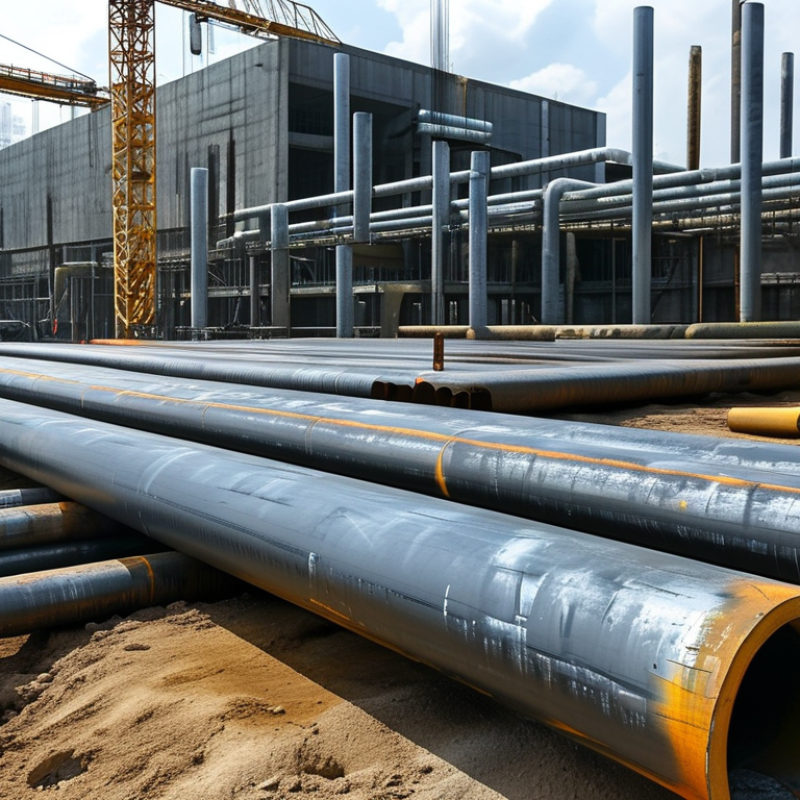
Carbon Steel Pipe is becoming a popular choice in construction. Its unique properties make it highly versatile. Many industries benefit from its strength and durability.
This pipe type withstands high temperatures and pressures. It is often used in structural applications and pipelines. Its cost-effectiveness adds to its appeal. However, challenges come with using Carbon Steel Pipe. Proper maintenance is essential to prevent rust and corrosion.
Understanding these benefits and drawbacks is vital. Choosing the right materials can impact the project's success. Carbon Steel Pipe's use in construction is both practical and economical, but it requires informed decision-making.
Benefits of Carbon Steel Pipe in Construction: An Overview of Properties
Carbon steel pipe offers several advantages in construction due to its unique properties. This material is known for its high strength and durability. According to the American Institute of Steel Construction, carbon steel pipes can support heavy loads and resist deformation better than other materials. This makes them suitable for high-pressure applications where reliability is paramount.
The corrosion resistance of carbon steel pipe can be enhanced with proper treatment, making it suitable for various environments. A study by the ASTM International shows that treated carbon steel can withstand exposure to harsh chemicals and moisture. The versatility in applications is another benefit, as carbon steel pipes are commonly used in infrastructure, such as water supply systems and structural supports. However, some projects may encounter challenges with corrosion over time. Regular inspections and maintenance are essential to address potential weaknesses.
In terms of cost efficiency, carbon steel is generally cheaper than other materials like stainless steel. The World Steel Association reports that this affordability can lead to significant savings in large construction projects. Nevertheless, the initial savings could be offset by the need for maintenance. This is an important consideration for project managers. While carbon steel pipe provides strong structural advantages, careful evaluation is crucial in ensuring long-term performance and safety.
Benefits of Using Carbon Steel Pipe in Construction
This chart illustrates the various benefits of using carbon steel pipe in construction, with a focus on cost-effectiveness, durability, strength, versatility, and corrosion resistance. Each benefit is represented as a percentage of its overall impact in construction projects.
Cost-Effectiveness of Carbon Steel Pipe Compared to Alternative Materials
Carbon steel pipe has gained popularity in construction due to its cost-effectiveness compared to alternative materials. When evaluating the expenses involved, carbon steel stands out as a budget-friendly choice. It tends to be less expensive than copper and stainless steel pipes. The lower material cost can significantly reduce the overall construction budget, making carbon steel favorable for large projects.
In addition to the initial savings, carbon steel pipe is durable. It can withstand harsh conditions, leading to lower maintenance costs over time. However, it requires proper treatment to prevent corrosion. This aspect necessitates regular inspections and possible protective coatings. Though the initial lower cost is attractive, project managers must weigh these ongoing maintenance requirements against the initial savings.
Choosing carbon steel involves understanding long-term performance. While it may not always be the top choice for every situation, its affordability and durability can present substantial benefits. It is crucial for builders to assess their specific projects carefully. The balance between upfront costs and potential long-term considerations requires thoughtful planning.
Durability and Strength of Carbon Steel Pipe in Structural Applications
Carbon steel pipe is increasingly popular in construction due to its exceptional durability and strength. According to industry reports, carbon steel pipes can withstand high pressures and temperatures, making them ideal for structural applications. These pipes feature a high tensile strength, typically ranging from 240 to 580 megapascals. This robust characteristic allows them to bear heavy loads, which is crucial in infrastructure projects.
A study from the American Institute of Steel Construction highlights that carbon steel can offer a lifespan of over 50 years in various conditions, when properly maintained. These pipes resist corrosion and wear, which is a significant consideration for builders. However, a key challenge is ensuring proper protective coatings are applied. Without them, carbon steel can corrode, leading to structural failures. Building designers must reflect on this attribute to ensure longevity in their projects.
Moreover, while carbon steel pipes are strong, they are also relatively lightweight compared to alternatives like concrete or ductile iron. This disparity allows for easier handling and transportation. Nevertheless, the reliance on precise installation techniques is essential to reap the full benefits of carbon steel. Even minor misalignments can compromise strength. Hence, it is vital to invest in skilled labor and quality assessments throughout the construction process.
Corrosion Resistance and Maintenance of Carbon Steel Pipe in Harsh Environments
Carbon steel pipes are widely used in construction due to their durability and mechanical properties. However, their performance can be challenged in harsh environments. Corrosion is a primary concern, affecting pipelines' integrity and lifespan. Understanding how to mitigate this risk is crucial for successful projects.
In environments where moisture, pollutants, or extreme temperatures are present, carbon steel pipes may corrode more rapidly. Protective coatings can be applied to enhance their resistance. Yet, even the best-coated pipes may require regular inspections and maintenance. This creates a need for a proactive approach to pipeline care, which can be resource-intensive.
Choosing carbon steel pipes is a balance between cost and performance. These pipes can offer a strong structure, but neglecting maintenance can lead to significant issues. The responsibility lies with engineers and project managers to develop a maintenance schedule tailored to specific environmental conditions. With careful planning, the benefits of carbon steel pipes in construction can be fully realized.
Benefits of Using Carbon Steel Pipe in Construction
| Benefit | Description | Applicable Environments |
| Corrosion Resistance | Carbon steel pipes can be treated with coatings or galvanized to improve resistance against corrosion, particularly in industrial settings. | Chemical plants, water treatment facilities |
| High Strength | Carbon steel offers high tensile strength, making it ideal for structural applications where strength is crucial. | Construction sites, bridges, heavy machinery |
| Cost-Effectiveness | Carbon steel is generally less expensive than other materials, allowing for budget-friendly construction without compromising quality. | General construction, HVAC systems |
| Ease of Fabrication | Carbon steel pipes can be easily welded and machined, allowing for flexible design and construction methods. | Custom installations, field modifications |
| Durability | Carbon steel pipes are durable and can withstand tough environmental conditions if properly maintained, making them suitable for long-term use. | Heavy-duty applications, outdoor installations |
Sustainability and Recyclability of Carbon Steel Pipe in Construction Projects
Carbon steel pipe has emerged as a cornerstone in sustainable construction. Its high recyclability is a significant advantage. Studies indicate that over 90% of carbon steel is recyclable. This means minimal waste at the end of a structure's life. Such figures highlight the potential for reducing landfill contributions.
Sustainability is vital in today’s construction practices. The production process of carbon steel involves lower emissions compared to other materials. According to the World Steel Association, carbon steel production has improved its energy efficiency by 60% since 1990. This progress aligns with global goals to reduce carbon footprints. By integrating carbon steel pipe, projects can meet stricter environmental standards and regulations.
However, challenges exist. While carbon steel is recyclable, not all construction sites have efficient recycling systems. This creates discrepancies in sustainability efforts. Moreover, the initial production process can be resource-intensive. It’s essential to navigate these complexities. Balancing the benefits with production impacts is critical for future construction projects.