Natural beauty for your favorite space
What are the Benefits of Green Building Supply Flooring?
In recent years, the concept of "Green Building Supply Flooring" has gained traction in sustainable construction. One prominent expert in this field, Dr. Emily Carter, emphasizes, “Sustainable flooring solutions not only enhance aesthetics but also reduce environmental impact.” This quote encapsulates the essence of why green flooring options matter.
Implementing Green Building Supply Flooring offers diverse benefits. It addresses health concerns by minimizing harmful chemicals. Natural materials contribute to better indoor air quality, which is crucial for our well-being. Furthermore, energy-efficient options can significantly cut down utility costs. However, there are challenges. Sourcing materials sustainably can be complex and may lead to higher initial expenses.
Sustainability is not just a trend; it’s a necessity. While many benefits of Green Building Supply Flooring are clear, the journey isn’t perfect. Consumers often grapple with understanding various certifications. The learning curve can be steep. Real progress requires commitment and continued education in this ever-evolving industry.
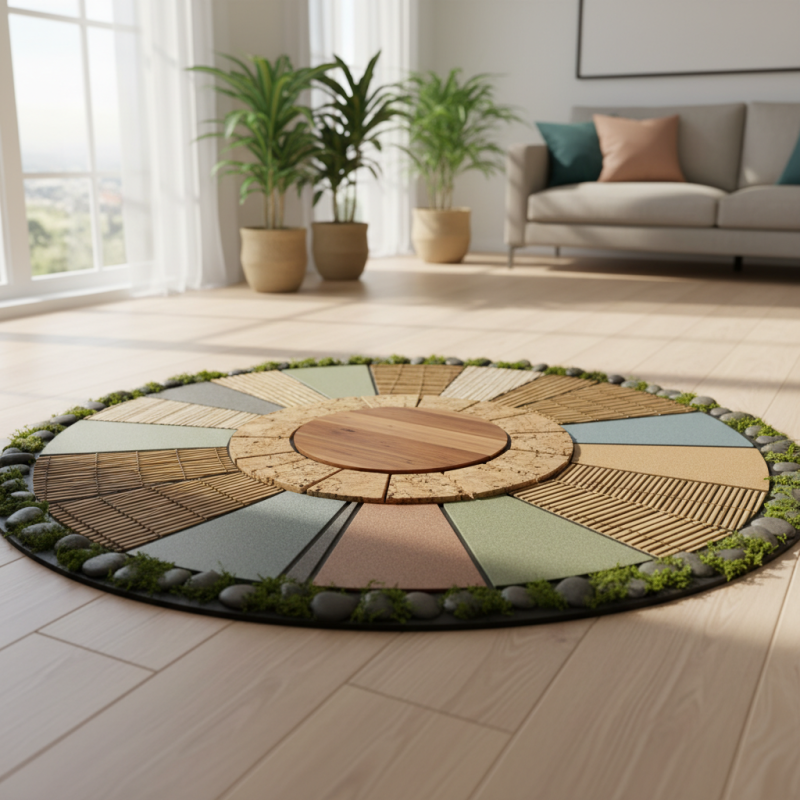
Advantages of Using Sustainable Materials in Flooring
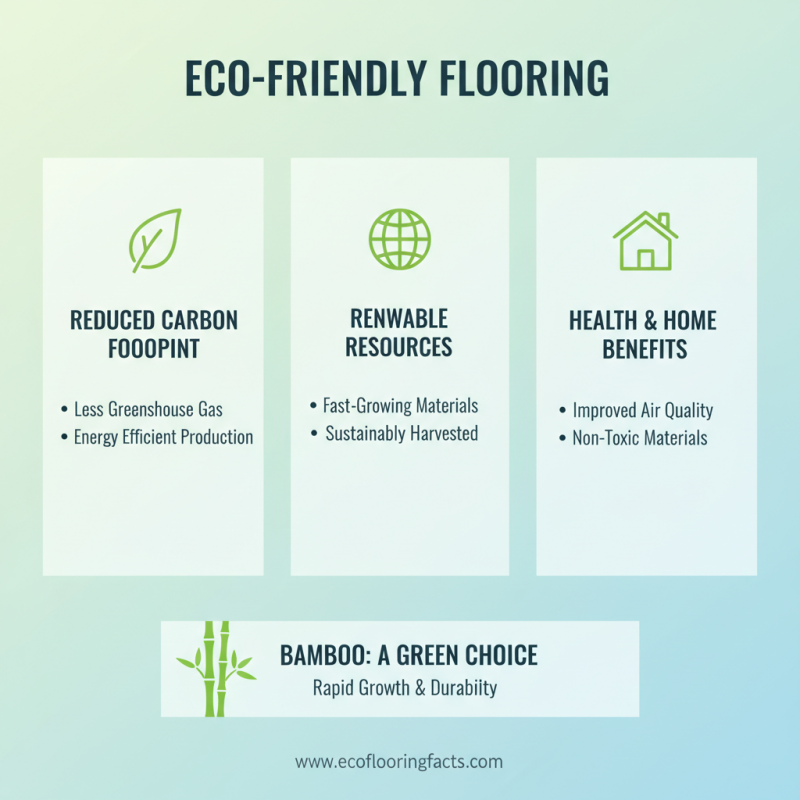
Sustainable materials in flooring offer numerous environmental and health benefits. By choosing eco-friendly options, homeowners reduce their carbon footprint. Many sustainable products come from renewable sources, leading to fewer natural resource depletions. For instance, bamboo flooring grows quickly and can be harvested without causing harm. This makes it a popular choice for green building projects.
In addition to environmental advantages, sustainable flooring often enhances indoor air quality. Traditional materials can emit volatile organic compounds (VOCs), leading to health issues. In contrast, sustainable options typically contain fewer harmful chemicals. This focus on health can create a safer living environment for families. However, it is essential to research and ensure that the chosen flooring meets eco-friendly standards.
Aesthetic appeal is another reason to consider sustainable flooring. Many designs mimic the look of traditional hardwood or tile. Yet, they maintain an eco-conscious edge. Some may find that green materials occasionally lack variety. The market is growing, but options may still feel limited compared to conventional choices. Balancing sustainability with personal style can be challenging, but the effort is often worthwhile.
Environmental Impact Reduction through Green Flooring Options
Green flooring options play a significant role in reducing environmental impact. Many traditional flooring materials contain harmful chemicals. These substances can release volatile organic compounds (VOCs). They affect indoor air quality and contribute to environmental pollution. In contrast, green flooring materials often use sustainable resources. They are designed to minimize harm to the environment.
Choosing eco-friendly flooring can lead to reduced waste. For example, many green options use recycled materials. Bamboo, cork, and reclaimed wood often serve as excellent alternatives. These materials renew faster than traditional hardwoods. However, sourcing can be tricky. Some products may advertise eco-friendliness falsely. It is essential to research and understand the lifecycle of the materials before making choices.
Moreover, sustainable flooring options often improve building energy efficiency. For instance, many have higher insulation properties. This can lead to lower energy consumption for heating and cooling. Yet, it’s important to remember that all products have an environmental footprint. Continuous improvement in sourcing and manufacturing is critical. Striving for better options will help the planet and quality of life.
Health Benefits of Green Building Supply Flooring for Occupants
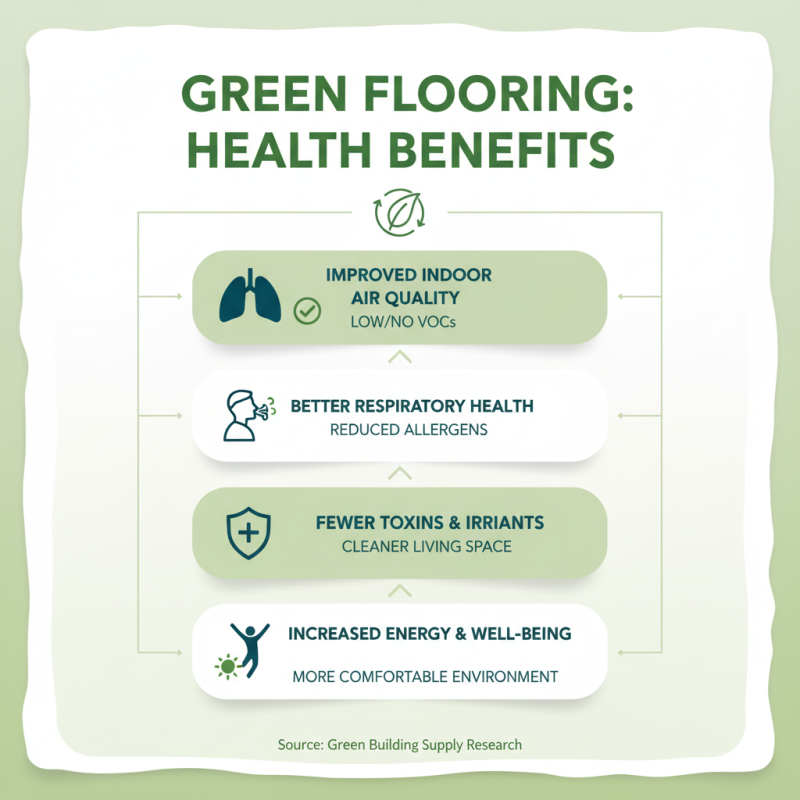
Green building supply flooring offers various health benefits for occupants. These materials typically have low or no volatile organic compounds (VOCs). This characteristic helps improve indoor air quality. Cleaner air leads to better respiratory health. Reduced allergens and toxins create a more pleasant living space. People tend to feel more energized in such environments.
**Tip:** Choose flooring made from natural materials. Bamboo or cork are great options. They are not only renewable but also durable.
Additionally, green flooring options are often easier to clean. Many have antimicrobial properties, which help reduce germs. This can be especially beneficial in households with children or pets. The reduced need for harsh chemicals results in a healthier home.
**Tip:** Consider regular maintenance practices. Simple cleaning methods keep your space bright and fresh. Avoiding harmful chemicals leads to a safer home environment.
Cost-Effectiveness of Investing in Green Flooring Solutions
Investing in green flooring solutions can significantly impact your finances. Studies show that green buildings can save up to 30% in energy costs. This isn't just a trend; it's a smart economic decision. Durable materials often come with lower maintenance costs, making them cost-effective in the long run.
The initial investment may seem higher. However, the return on investment (ROI) can be substantial. According to the U.S. Green Building Council, properties with green certifications can have up to a 10% increase in occupancy rates. Many buyers are now prioritizing sustainability. This shift leads to higher demand and, ultimately, better resale value.
It's essential to consider long-term benefits over short-term costs. While some may worry about upfront expenses, think about the longevity and durability of sustainable materials. With proper research, choosing green flooring can reduce waste and support a healthier environment. Investing wisely now can yield remarkable rewards in the future.
Durability and Longevity of Eco-Friendly Flooring Products
Eco-friendly flooring products offer remarkable durability and longevity. These materials resist wear and tear, making them a smart choice for busy households. Many types, such as bamboo or cork, withstand moisture better than traditional flooring. This resistance helps prevent damage over time.
When selecting flooring, consider maintenance. Regular cleaning can extend the life of your flooring. For instance, using a damp mop instead of excessive water helps protect the surface. Remember, avoid harsh chemicals as they can degrade the material. Another tip is to check the manufacturer's recommendations for care. This ensures your flooring remains in prime condition for years.
It's essential to recognize that not all eco-friendly products are equal. Some may require more upkeep than others. Reflect on your lifestyle and usage patterns. If you have pets or children, select sturdy options. Take time to research and weigh your choices before making a decision. The right flooring can enhance the aesthetic and functional value of your space while being environmentally responsible.
Related Posts
-
Innovative Approaches for Choosing the Best Green Building Supply Cork Flooring
-
Overcoming Common Challenges in Choosing Green Building Supply Flooring Solutions
-
The Ultimate Guide to Choosing Sustainable Environmental Building Materials for Your Next Project
-
Why Choose Sustainable Building Materials for a Greener Future?
-
Exploring the Advantages of the Most Eco-Conscious Construction Materials
-
Cork Flooring Versus Traditional Flooring A Comprehensive Guide for Global Buyers