
Natural beauty for your favorite space
2026 Top Point Of Purchase Display Rack Types
In 2026, a Point Of Purchase Display Rack is more than a place to hold products. It can guide shoppers, make a promotion easier to notice, and help staff keep merchandise organized. Yet the right design depends on the store, product size, customer flow, and restocking routine. Small details matter. A countertop rack may suit compact items near checkout, while a floor display can give larger products more room and visibility. Endcap units use aisle ends, and pallet displays can support bulk promotions. Dump bins encourage browsing, though loose products may need frequent tidying.
This guide explores popular rack types and the practical trade-offs behind each one. Materials, footprint, load capacity, assembly, and brand presentation all affect how a display performs. For example, a lightweight cardboard unit may be easy to move during a short campaign, while a metal or wood fixture may better suit repeated use. Modular racks offer flexibility, but their parts still need to fit the available space and product dimensions. Some stores may also consider integrated screens or lighting; these features are not automatically worthwhile. A display can look striking in a rendering and still obstruct a walkway or slow replenishment. That is easy to overlook. The most useful choice is usually the one that fits real store conditions, not just a showroom image. Use the following overview to compare common options, ask clearer questions of suppliers, and choose a fixture that supports both shoppers and staff.
Core Structures and Functions of Point of Purchase Display Racks
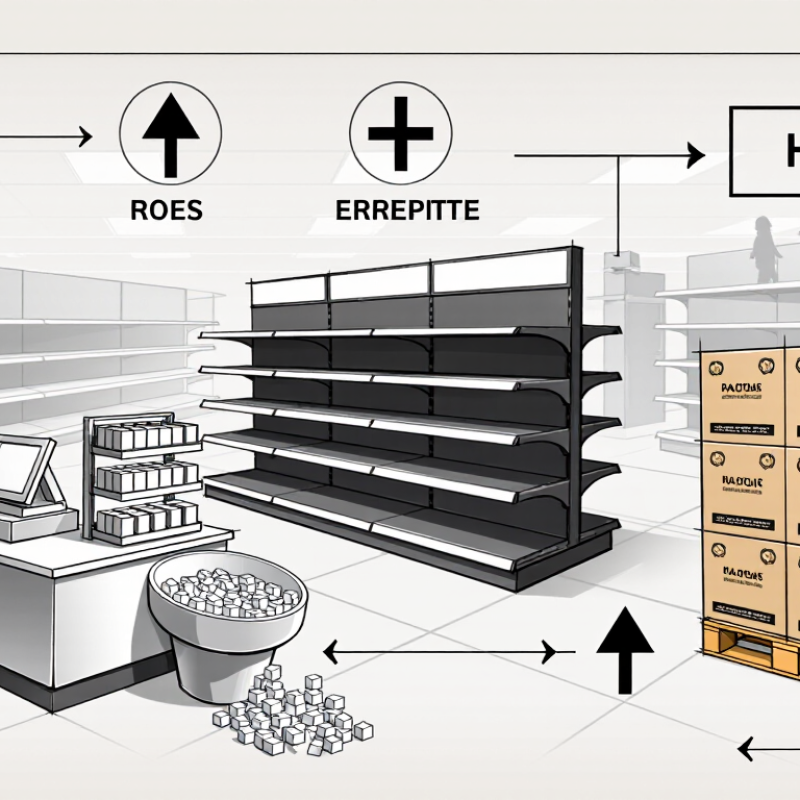
Point-of-purchase (POP) racks put products where shoppers can see and reach them. A floor-standing rack uses a weighted base, uprights, and adjustable shelves to hold larger or heavier items. Countertop units suit compact goods near checkout, while endcap racks face aisle traffic and create a clear product focal point. Hook panels work well for hanging packs; bins allow shoppers to browse loose items. Each structure serves a different task.
The rack’s function depends on more than its shape. Shelf depth, spacing, and load capacity affect product access and restocking. A clear header can identify a category, while a slight product tilt improves visibility from the aisle. POPAI’s 2012 Shopper Engagement Study reported that 76% of purchase decisions in its U.S. sample were made in-store. That figure is useful context, not a current universal benchmark. More display space does not guarantee more sales. Poorly placed racks can block sightlines or make products awkward to reach. Measure the selling area, test sightlines at shopper height, and check that staff can refill shelves without disrupting nearby traffic.
Countertop, Floor, and Endcap Racks by Placement
2026 Top Point Of Purchase Display Rack Types
Countertop, Floor, and Endcap Racks by Placement
Placement shapes how shoppers notice and use a point-of-purchase rack. Countertop racks suit small items near checkout, where customers can reach them without leaving the queue. Keep the display compact, with clear product labels and enough room for the counter’s normal work. A rack that blocks payment or bagging quickly becomes a nuisance.
Floor racks hold more stock and work well in open aisles, but they need a stable base and a footprint that does not interrupt traffic. Endcap racks face shoppers at aisle ends, making them useful for seasonal items or products tied to nearby shelves. Still, visibility alone does not guarantee sales. Test the position during busy periods; a display may look inviting when the aisle is empty and feel crowded later.
Tips: Measure the available space before ordering. Keep it reachable. Check sightlines from both directions, and restock before the display looks picked over. Measure twice. A slightly imperfect setup may reveal useful clues, so note where shoppers pause and what they actually pick up.
Shelving, Pegboard, and Gravity-Feed Racks by Product Format
A point-of-purchase rack should match how shoppers handle a product, not just its package dimensions. Shelving suits boxed goods, jars, and refill packs that need a flat, stable surface. Measure the widest package, then leave enough clearance for fingers and easy restocking. Small details matter. A shelf that looks tidy when full may become awkward when only a few items remain.
Pegboard racks work well for lightweight products sold in hanging packs, such as accessories or small tools. Choose hook lengths that hold the pack securely without hiding neighboring items. Keep popular options near eye level, and check that hooks do not snag bags during removal. A crowded pegboard can look efficient on paper, but shoppers may struggle to compare products.
Gravity-feed racks help keep cartons or cans moving toward the front as customers take items. Test the slope with the actual package; slippery packaging may slide too quickly, while rough edges can cause jams. Keep each lane sized for one product format, and make replenishment access clear for staff. There is no perfect layout. A short in-store trial may reveal that the rack needs adjustment after real shoppers use it.
Cardboard, Metal, Wood, and Hybrid Racks by Material
Material changes how a point of purchase rack looks, performs, and gets handled in a store. Cardboard racks are light and easy to move, making them useful for short campaigns or lightweight products. Printed panels can carry clear product information, but exposed edges may soften in humid areas or after repeated contact. They are not always the cheapest option once frequent replacement is considered. Small trade-off.
Metal racks suit heavier items and busy locations. A steel frame can support repeated stocking, while wire shelves keep products visible from several angles. Check the finish, joints, and shelf spacing against the actual product weight; a strong frame still feels unstable if it is poorly balanced. Metal may also look too industrial for some displays.
Wood offers a warmer, more furniture-like appearance, often fitting premium or natural product settings. It is sturdy, but thicker panels can add weight and make frequent relocation awkward. Hybrid racks combine materials, such as a metal frame with cardboard graphics or wooden shelves. This can balance strength and visual appeal, though the connections need careful inspection. A loose panel is noticeable. Before choosing, consider floor space, restocking access, expected display life, and cleaning needs. A polished concept drawing may miss practical details, such as a cart striking the base or staff reaching across a crowded shelf. Trial placement helps reveal those flaws.
| Rack Material | Typical Construction | Durability | Portability and Setup | Design and Branding | Common Applications | Key Considerations |
|---|---|---|---|---|---|---|
| Cardboard | Corrugated board or paperboard panels, often supplied flat-packed and assembled for retail use. | Best suited to short-term or moderate-use displays; performance depends on board grade, construction, product weight, and exposure to moisture. | Generally lightweight and easy to ship flat; many designs can be assembled without specialist tools. | Broad print coverage supports colorful graphics, product messaging, and custom shapes. | Promotional campaigns, seasonal merchandising, lightweight packaged goods, and temporary retail placements. | Check load requirements and expected campaign duration. Cardboard can be more vulnerable to moisture, impact, and repeated handling than rigid materials. |
| Metal | Steel or aluminum components formed into frames, shelves, hooks, or modular display systems. | Typically suitable for repeated use and heavier-duty applications when properly designed and finished. | Can be heavier or require assembly, though modular and knock-down designs are available. | Offers a clean, structured appearance; finishes, panels, and signage can be added to suit the retail environment. | Reusable store fixtures, tools, beverages, hardware, and products that need sturdy shelving or hanging support. | Consider total weight, edge finishing, corrosion protection where relevant, and whether the fixture can be relocated or stored efficiently. |
| Wood | Solid wood, plywood, or other wood-based panels assembled as shelves, crates, counters, or freestanding fixtures. | Can provide a sturdy structure; strength and longevity vary with material, joinery, finish, and operating conditions. | Usually less convenient to transport than flat-packed paper displays; some designs can be disassembled or built from modular parts. | Natural grain and varied finishes create a warm, premium, or rustic presentation; surfaces can be painted, stained, or printed with added panels. | Premium food and beverage, cosmetics, lifestyle products, specialty retail, and longer-term merchandising. | Account for weight, finish maintenance, storage space, and the sourcing and treatment of wood-based materials. |
| Hybrid | Combines materials such as a metal frame with cardboard graphics, wood shelves, or plastic connectors. | Depends on the materials and how they are joined; a reinforced frame can support reusable structures while replaceable panels refresh the appearance. | Varies by design. Modular combinations can balance stability with easier transport or component replacement. | Allows different materials to serve distinct purposes, such as structural support, shelf surfaces, and printed branding. | Multi-use promotions, reusable displays with changeable graphics, and merchandising that needs both structure and visual flexibility. | Review connection points, material compatibility, assembly instructions, and which components are intended for reuse or replacement. |
How to Choose a Point of Purchase Rack for 2026 Retail Needs
For 2026, choose a point-of-purchase (POP) rack by shopper path, product weight, and replenishment routine—not appearance alone. The POPAI 2014 Mass Merchant Shopper Engagement Study reported that 82% of purchase decisions were made in-store. Placement and visibility are practical decisions, not decoration. A narrow aisle may suit a slim floor stand; a counter unit works for small, quick-grab items. Measure the shelf edge, turning space, and sightline before setting dimensions.
Match the rack type to the task. Use pegboard or slatwall fixtures when assortments change often; choose shelves for boxed or heavier goods; reserve dump bins for sturdy, easy-to-sort products. Check load ratings, base stability, edge protection, and how staff will refill the unit during peak hours. The U.S. Census Bureau’s fourth-quarter 2024 retail e-commerce report put online sales at 16.1% of total retail sales, seasonally adjusted. Physical displays still compete for attention, but a fixture cannot fix weak stock availability. That matters.
Before ordering, test a full-size sample with actual packaging, price cards, and the heaviest planned load. Track sell-through and refill time for several weeks, then adjust the rack’s height or location. One useful lesson: stores may choose a fixture for its compact footprint, then discover staff cannot replenish it quickly. Ask about flat-pack dimensions, cleaning, and replacement parts. The best 2026 rack is one shoppers notice and teams can maintain.
