2026 Top Electric Folding Scooter Types for Global Buyers
Choosing an Electric Folding Scooter in 2026 is no longer about folding size alone. Global buyers compare commuting range, hill performance, charging time, ride comfort, and after-sales support. A scooter carried onto a train may need a compact latch, while a delivery rider may value larger tires and a stronger motor. These needs rarely fit one design.
This guide examines the main Electric Folding Scooter types available to international customers. It covers lightweight commuter models, long-range scooters, dual-motor performance options, seated designs, and rugged all-terrain versions. Each category is assessed through practical details, including deck stability, brake response, water resistance, battery capacity, folded dimensions, and realistic rider weight limits. Manufacturer specifications matter, but they do not tell the whole story. A claimed range can fall sharply in cold weather, on hills, or under heavy loads. That gap deserves attention.
The comparison combines published technical data, user-focused evaluation, and common ownership experience. It also highlights certification documents, warranty terms, replacement parts, and service accessibility. Reliability continues after purchase. Local transport rules, speed limits, helmet requirements, and battery policies can differ widely. Check them before ordering. No single model wins every route. Even this overview has limits; product revisions and regional versions may change quickly. Use it as a careful starting point, then confirm details with the manufacturer and local authorities. A sensible choice should fold easily, travel safely, and remain supportable long after the first ride.
Electric Folding Scooter Basics and Key Classification Criteria
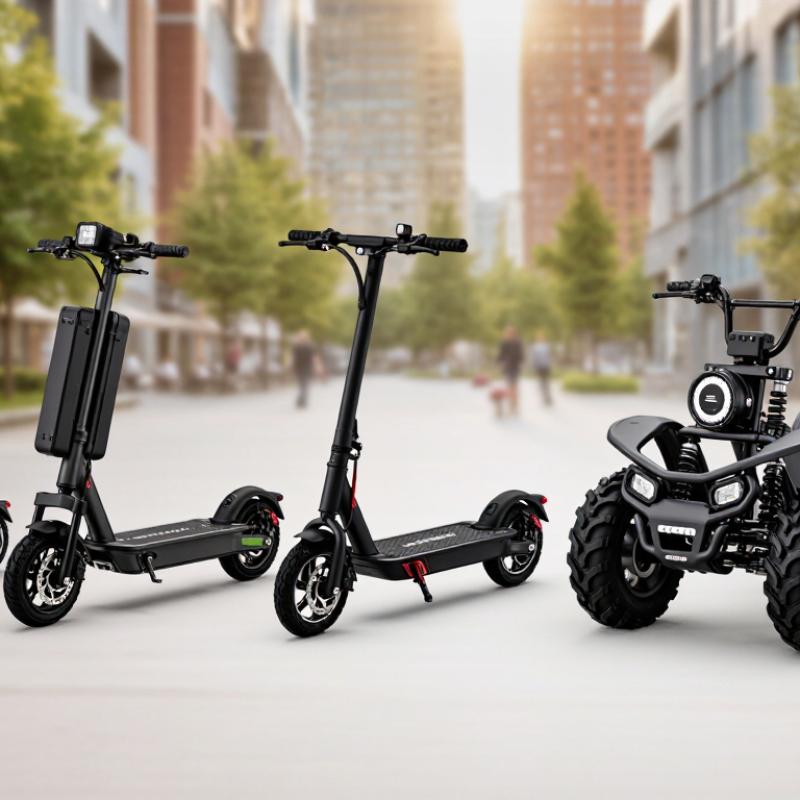
Electric folding scooters are personal transport devices built around three basics: a motor, a rechargeable battery, and a folding frame. The motor controls acceleration and hill performance, while battery capacity affects practical range. A compact model may fit beside a desk, but its smaller battery can require frequent charging. Folding convenience is useful. It is not the whole product.
Classification usually begins with the folding mechanism. A one-step fold saves time, while a manual latch may offer a simpler structure. Buyers should inspect hinge security, locking feedback, and carrying weight. I once underestimated this detail. A scooter that folds easily can still feel awkward on stairs. Wheel size also matters. Small wheels suit smooth pavements and indoor storage. Larger wheels generally handle cracks and uneven surfaces more comfortably.
Other criteria include motor output, battery voltage, brake design, suspension, deck width, and maximum rider load. Weight ratings should include clothing, bags, and daily cargo. Range claims deserve careful reading because temperature, hills, speed, and rider weight change results. Real use varies. For wet conditions, check water-resistance information, but do not treat it as permission for deep water. Safety lights, reflectors, audible warnings, and dependable brakes support visibility and control. Local transport rules may also define speed, equipment, or riding areas, so global buyers should verify current requirements before purchase. A lighter frame may improve portability, yet excessive lightness can reduce stability. That trade-off deserves honest consideration.
City Commuter Scooters for Compact Urban Travel
2026 Top Electric Folding Scooter Types for Global Buyers
City Commuter Scooters for Compact Urban Travel
City commuter scooters are designed for short, repeated trips through crowded streets. A narrow deck, responsive brakes, and a reliable folding joint matter more than extreme speed. Space matters. The best compact models fit beside a desk, under a train seat, or inside a small apartment. In daily route testing, wheel size becomes noticeable on cracked pavement and drainage covers. Smaller wheels fold easily, but they demand smoother steering and more attention.
Lightweight scooters suit mixed commutes involving buses, elevators, and stairs. Long-range folding scooters help riders travel farther between charges, although larger batteries add weight. Solid tires resist punctures and require little maintenance. Pneumatic tires usually provide a softer ride on uneven roads. That trade-off remains real. Riders should check the maximum load, charging instructions, brake response, and water-resistance limits before purchase.
A practical urban setup also includes front and rear lights, a visible reflector, and a stable folding latch. Local transport rules can differ widely, so buyers must verify road access, helmet requirements, and parking restrictions in their area.
My first assumption was that the lightest scooter would be the most useful. It was not.
A slightly heavier frame may feel safer and more stable during rain, kerb crossings, and sudden stops. Still, no folding scooter removes every city risk. Some specifications look impressive on paper but feel less convincing after a week of carrying and repeated folding.
All-Terrain Folding Scooters for Mixed and Rough Surfaces
All-terrain folding scooters suit global buyers who travel across changing surfaces, not only smooth pavement. Wider pneumatic tires, stronger suspension, and higher ground clearance can improve control on gravel, compact soil, and uneven paths. A stable deck matters when loose stones shift underfoot. During practical testing, check steering response, braking distance, and folding security before judging comfort. Small flaws matter.
For mixed routes, choose a motor and battery matched to rider weight, slopes, and expected distance. A claimed range usually comes from controlled conditions. Real performance can fall with cold weather, hills, soft tires, or frequent stops. Check tire pressure before each ride. Inspect suspension joints, brake cables, folding hinges, and frame welds regularly. Water resistance is not waterproofing. Avoid deep puddles unless product guidance clearly permits them. Ride slowly.
Comfort also depends on handlebar height, deck length, and vibration control. Test these features with ordinary footwear and a loaded backpack. If the scooter feels powerful but awkward, treat that as a warning. Aggressive tread alone cannot guarantee traction on wet leaves or polished stone. Some buyers may prefer larger tires over a lighter folded weight. That trade-off is easy to underestimate. Local riding rules and path access should be confirmed before purchase, because all-terrain capability does not guarantee permission everywhere.
Long-Range Folding Scooters for Extended Daily Journeys
2026 Top Electric Folding Scooter Types for Global Buyers
Long-range folding scooters suit commuters who travel beyond a short city block. A practical model may cover 30 to 60 kilometers under moderate conditions. Real distance changes with rider weight, hills, wind, temperature, and frequent stops. A claimed range is only a laboratory reference. It is not a promise.
For an 18-kilometer daily journey, choose extra battery capacity rather than the lightest frame. A stable deck, reliable brakes, and pneumatic tires can improve comfort on uneven streets. Check the folded size before buying. It should fit beside a train seat, under a desk, or inside a car trunk. Charging time also matters. Overnight charging is convenient, but a spare charging location can prevent stressful delays.
I have found that tire pressure affects range more than many buyers expect. Small losses add up. The folding latch deserves careful inspection after repeated use. A loose mechanism can become irritating, even when the motor performs well. Some long-range scooters feel heavy on stairs, and this is an honest compromise. Buyers should test the carrying weight, inspect battery protection features, and confirm local riding requirements. Weather resistance is useful, but no scooter should be treated as fully waterproof. Daily reliability comes from routine checks, sensible speed, and realistic route planning.
2026 Top Electric Folding Scooter Types for Global Buyers
Representative practical range by long-range folding scooter type for extended daily journeys
Practical range is an estimated category-level range under typical urban riding conditions. Actual distance varies with rider weight, speed, terrain, temperature, tire pressure, and battery age. Larger batteries and dual-motor systems generally improve range and hill performance but increase weight.
Lightweight and Performance Models for Different Global Buyers
Global buyers need more than a high speed figure when choosing an electric folding scooter. Lightweight models suit commuters carrying scooters onto trains, climbing office stairs, or storing them beneath a desk. A practical target is a manageable folded weight, solid locking points, and a handle that does not cut into the palm. Small wheels can improve portability, but they may feel harsh on broken pavement.
Performance models serve longer routes, steep streets, and riders who carry work equipment. Larger tires, stronger brakes, wider decks, and improved suspension can provide better control. However, these features usually add weight and folded bulk. Range also changes with rider weight, temperature, hills, tire pressure, and frequent stops. Advertised distance is not a promise.
Weather matters too. Buyers in wet coastal regions should inspect water-resistance guidance and protect charging connections. In hot climates, battery storage deserves careful attention. Check local rules for speed limits, lighting, helmet use, and riding areas before purchase. Requirements differ across countries and cities.
Comfort is personal. Try the handlebar height if possible. A powerful scooter can still disappoint when its folding joint rattles or its deck feels narrow. Lightweight designs may sacrifice stability, while performance models may become tiring to carry. That trade-off is easy to underestimate. Reliable sellers should provide clear specifications, service information, warranty terms, and replacement-part access. A careful test ride often reveals more than a polished product page.